Across cultures, ages, and continents, people nearing the end of life tend to express the same regrets. These patterns have been documented through palliative‑care interviews, psychological research, and longitudinal studies. The most widely cited evidence comes from Australian palliative nurse Bronnie Ware, whose observations were later supported by additional qualitative and quantitative research.
Her work revealed five core regrets, and further psychological studies expanded these into broader themes. Below is a unified list of the top 10 regrets, backed by research, followed by how to live so you never carry them.
The Top 10 Regrets of the Dying (Evidence‑Based)
Not living a life true to themselves
The most common regret Ware documented was not having the courage to live authentically. People wished they had followed their dreams instead of living by others’ expectations.
Working too hard
Many regretted spending too much time on work and too little on relationships and joy.
Not expressing their feelings
Suppressing emotions led to unresolved conflict, distance, and missed opportunities for love.
Losing touch with friends
People regretted letting meaningful friendships fade due to busyness or pride.
Not allowing themselves to be happier
Many realised too late that happiness is a choice, not a reward.
Not taking care of their health earlier
Psychology and palliative research show people regret ignoring physical and mental health until it is too late.
Worrying too much about what others think
Many wished they had lived more boldly instead of being controlled by fear or judgment. (Supported by ideal‑related regret research.)
Not spending enough time with loved ones
People regretted prioritising obligations over connection, especially with children, partners, and parents.
Not pursuing personal growth or passions
The 2018 study on “ideal‑related regrets” found people most regret the dreams they never pursued.
Not being present enough
Many regretted rushing through life instead of slowing down to appreciate ordinary moments. (Supported by mindfulness‑based interpretations of Ware’s work.)
What This Research Teaches Us About Living Well
These regrets are not warnings, they are instructions. They show us how to live now so we do not reach the end wishing we had lived differently.
Here are the key takeaways, grounded in the evidence above:
Live authentically
Choose your values, not society’s expectations. Authenticity is linked to higher well‑being.
Protect your time
Work matters, but not more than your relationships, health, or joy.
Speak your truth
Express your feelings kindly but clearly. Unspoken emotions become lifelong regrets.
Nurture friendships
Connection is medicine. Make time for people who matter.
Choose happiness daily
Happiness is not a destination, it is a practice.
Prioritise your health
Your future self will thank you for every healthy choice you make today.
Stop living for approval
Fear of judgment steals decades. Courage gives them back.
Be present
Slow down. Notice your life while you’re living it.
Pursue your dreams
The biggest regrets come from the roads not taken. Start small, but start.
Love deeply and often
Relationships are the core of a meaningful life.
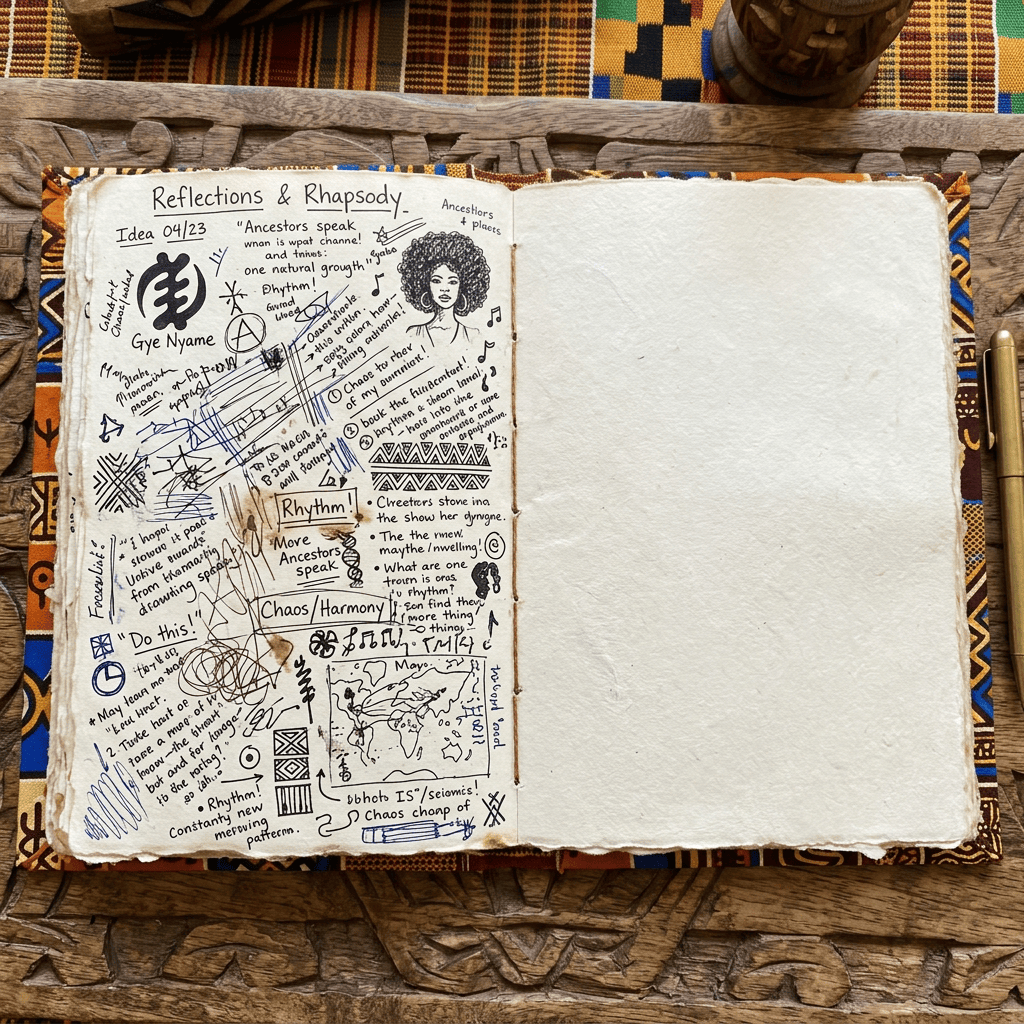
Across Africa and the global diaspora, our ancestors lived with clarity: community, purpose, and authenticity mattered more than status or fear. Their wisdom aligns with modern research, the things that matter at the end of life are the things that make life meaningful now.
We carry a heritage of resilience, creativity, and connection. We honour that heritage when we:
live boldly,
love openly,
pursue our purpose,
and refuse to postpone joy.
The regrets of the dying are not tragedies, they are teachings. They remind us that we still have time to live differently.
One day, you will look back on your life. Make sure you are proud of the story you wrote. Make sure you lived, loved, expressed, connected, and dared. Make sure you chose happiness, authenticity, and courage.
Because the greatest regret is not failure, it is never giving yourself the chance to live fully.
By Diana Heckman