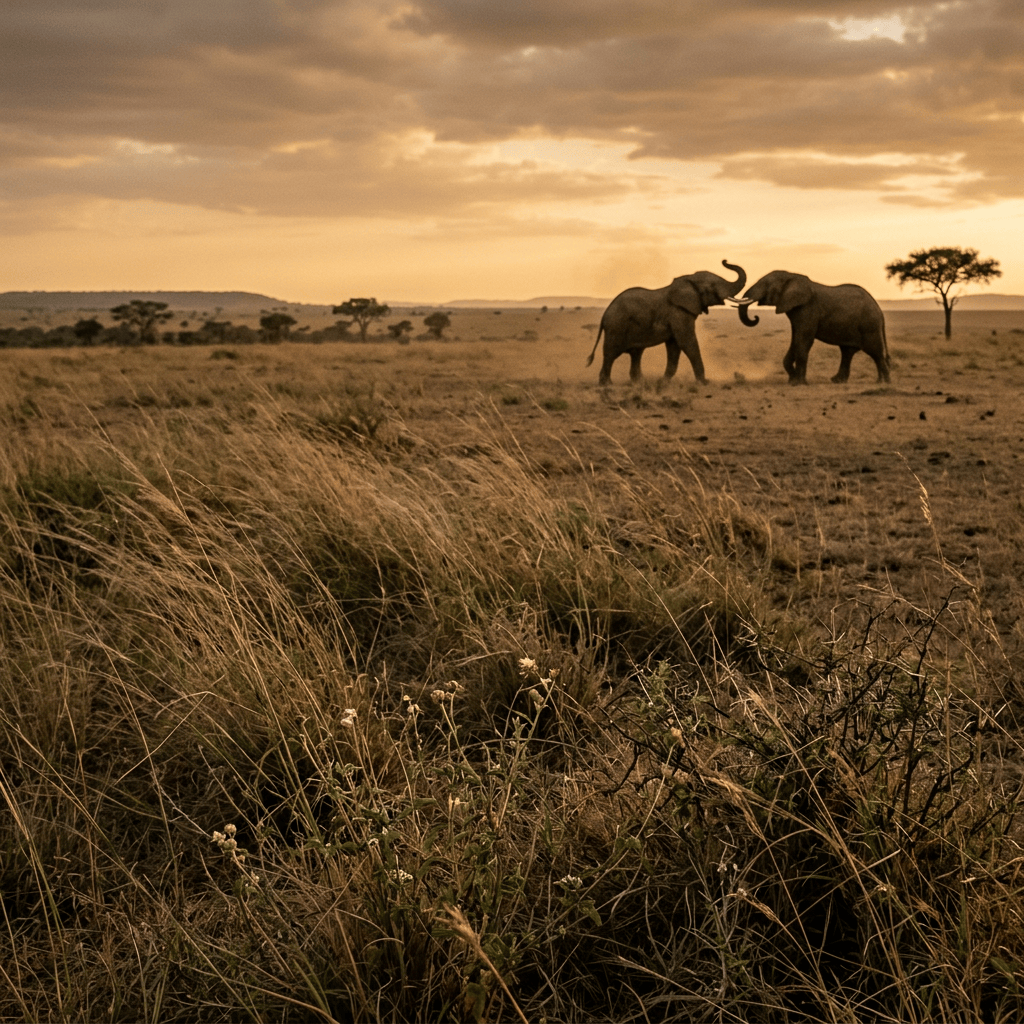
African proverbs are rich with wisdom, often using simple images from everyday life to teach profound lessons. One of the most powerful is the saying:
“When two elephants fight, it is the grass that gets hurt.”
At first glance, the proverb paints a vivid picture of two mighty elephants battling for dominance while the fragile grass beneath them is crushed under their enormous weight. Yet beyond its literal meaning lies a timeless truth about power, conflict, and the human cost of division.
The Hidden Victims of Conflict
Throughout history, conflicts between powerful leaders, organisations, nations, or influential individuals have often left ordinary people bearing the consequences and while those at the top compete for control, status, or influence, it is usually everyday citizens, employees, families, and communities who suffer the most.
Whether in politics, business, communities, or even within families, the effects of conflict rarely remain confined to the people directly involved. Relationships are damaged, opportunities are lost, and innocent individuals sometimes find themselves caught in the crossfire.
The proverb reminds us that power comes with responsibility. Decisions made by those in positions of influence can have far-reaching consequences for people who have little control over the outcome.
A Lesson in Leadership
Great leaders understand that winning an argument is not always the same as achieving a positive outcome. True leadership requires wisdom, restraint, and consideration for those who may be affected by personal ambitions or disagreements.
Before engaging in conflict, effective leaders ask themselves:
Who could be impacted by this disagreement?
What are the long-term consequences?
Is there a better way to resolve this issue?
How can we protect those who depend on us?
By seeking dialogue instead of confrontation, leaders can prevent unnecessary harm and create solutions that benefit everyone.
A Personal Reflection
This proverb also applies to our daily lives. In workplaces, friendships, and families, heated disputes can unintentionally hurt those around us. Children may suffer when parents constantly argue, employees may feel uncertain when managers are in conflict, communities may become divided when influential figures choose rivalry over cooperation.
The grass has no voice in the elephants’ battle, yet it feels every step. Likewise, many people who are affected by conflict never chose to be involved.
Choosing Unity Over Division
The wisdom of this African proverb challenges us to think beyond ourselves. It encourages humility, empathy, and a recognition that our actions affect others. Strength should not be measured by our ability to dominate but by our ability to resolve differences without causing harm.
In a world often marked by competition and disagreement, we should strive to be leaders who build bridges rather than walls, seek understanding rather than victory, and protect the vulnerable rather than ignore them.
The next time conflict arises, remember the grass beneath the elephants’ feet. The strongest person is not always the one who fights the hardest, but the one who has the wisdom to prevent unnecessary damage.
For when powerful people clash, the true measure of leadership is not who wins the battle, but how many people are protected from its consequences.
By Fiona Lewis