Who Reginald Lewis Was
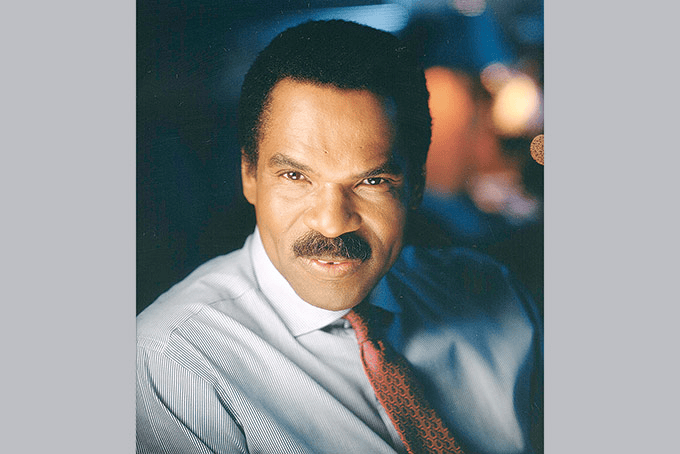
Reginald Francis Lewis was born in Baltimore, Maryland, in 1942, into a working‑class family, his upbringing was shaped by:
Discipline from his mother, who insisted on education and self‑respect
Entrepreneurial instinct, shown early when he launched a neighbourhood paper-delivery business
Leadership, demonstrated as a high‑school athlete and student organiser
Lewis grew up in a segregated America, but he refused to internalise limitation.
His grandmother famously told him:
“You can do anything you put your mind to.”
He believed her, and built an empire.
His Path to Power
Lewis attended Virginia State University, then earned admission to Harvard Law School without even applying, after impressing the admissions team during a summer programme. He became one of the few Black corporate lawyers in the U.S. during the 1970s, specialising in:
Venture capital
Corporate finance
Mergers and acquisitions
But Lewis didn’t want to just advise companies, he wanted to own them.
The Billion‑Dollar Breakthrough: TLC Beatrice International
In 1987, Reginald Lewis made history.
He led the leveraged buyout of Beatrice International Foods, acquiring 64 companies in 31 countries and he renamed it TLC Beatrice International, and under his leadership it became: The first Black‑owned company to generate over $1 billion in annual revenue, the largest Black‑owned business in the world at the time.
A global conglomerate spanning food, beverages, and consumer goods
Lewis achieved this at a time when:
Black CEOs were almost nonexistent
Wall Street was not welcoming
Access to capital for Black entrepreneurs was extremely limited
Yet he negotiated a $985 million deal, one of the largest leveraged buyouts in U.S. history.
This was not luck. It was mastery.
What He Did Differently
Lewis succeeded because he understood the game better than those who built it.
1. He mastered corporate law
He used legal expertise to navigate complex deals others avoided.
2. He built relationships strategically
Lewis cultivated allies in finance, law, and international business.
3. He saw value where others didn’t
Beatrice’s international division was undervalued, Lewis recognised its potential.
4. He believed in Black ownership
He wanted African Americans to see themselves as global business leaders, not just participants.
His Legacy
Reginald Lewis passed away in 1993 at just 50 years old, but his impact is permanent.
His legacy includes:
The Reginald F. Lewis Museum in Baltimore
The Reginald F. Lewis International Law Center at Harvard, a blueprint for Black entrepreneurship at scale and inspiration for generations of African and Afroglobal founders.
Lewis proved that Black ownership is not symbolic, it is structural power.
Why His Story Matters for Africa and the Afroglobal Community
Reginald Lewis’s achievements resonate deeply with Africa’s current rise.
1. He showed that global business is not off‑limits
African founders today in fintech, mobility, energy, and AI, follow the path he carved.
2. He demonstrated the importance of controlling value chains
Just as Ghana now refines its own gold and Nigeria refines its own oil, Lewis believed in owning the entire system, not just participating in it.
3. He proved that Black excellence scales globally
His billion‑dollar company operated across Europe, Asia, and Latin America, a true Afroglobal footprint.
4. He shattered psychological barriers
Lewis’s success forces the world to confront a truth: Black leadership is not an exception, it is a global force.
Reginald F. Lewis was a visionary who refused to be confined by the limitations society placed on him so he built a billion‑dollar empire when the world said it was impossible.
His life teaches us:
Ownership matters
Strategy matters
Confidence matters
Africa and the Afroglobal community are capable of shaping global markets
Lewis didn’t just open doors, he broke them off the hinges and today, Africa’s rising entrepreneurs walk through those doors with purpose, power, and pride.
George Tetteh