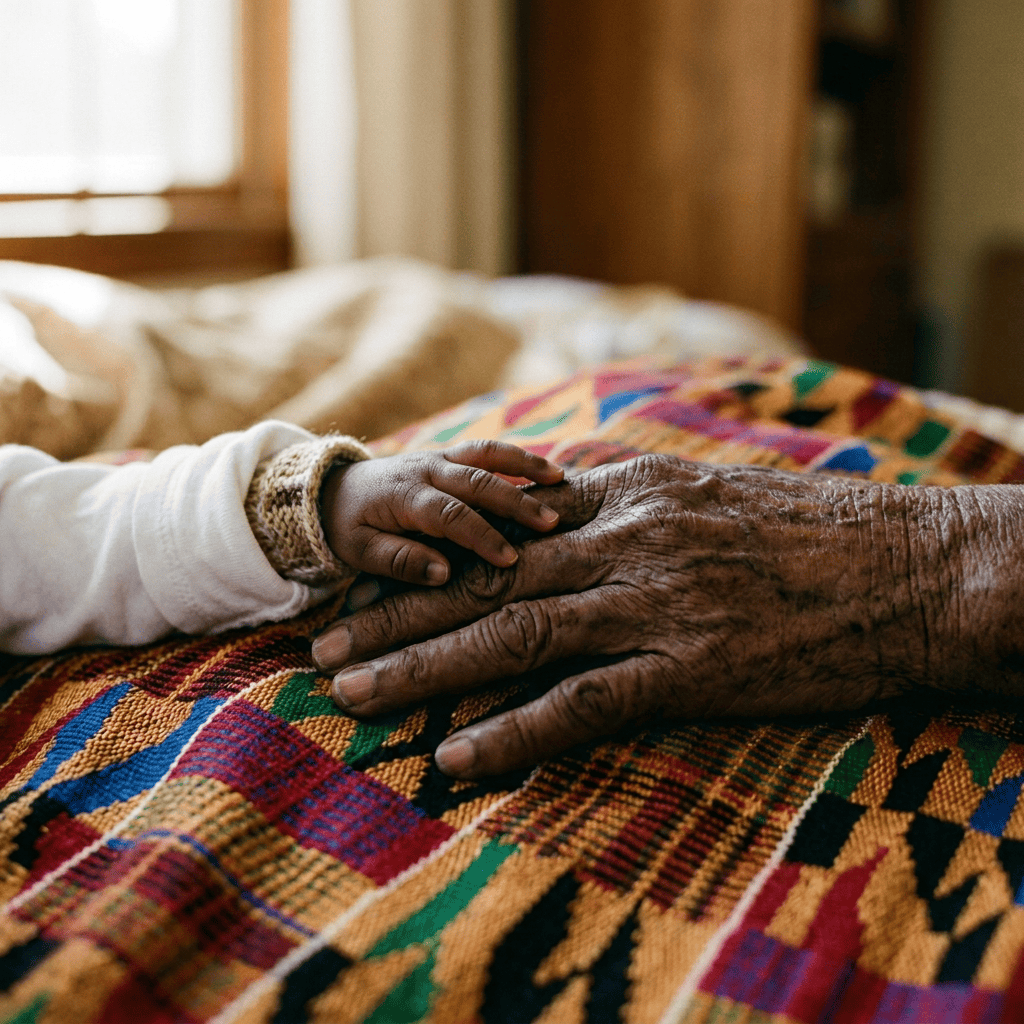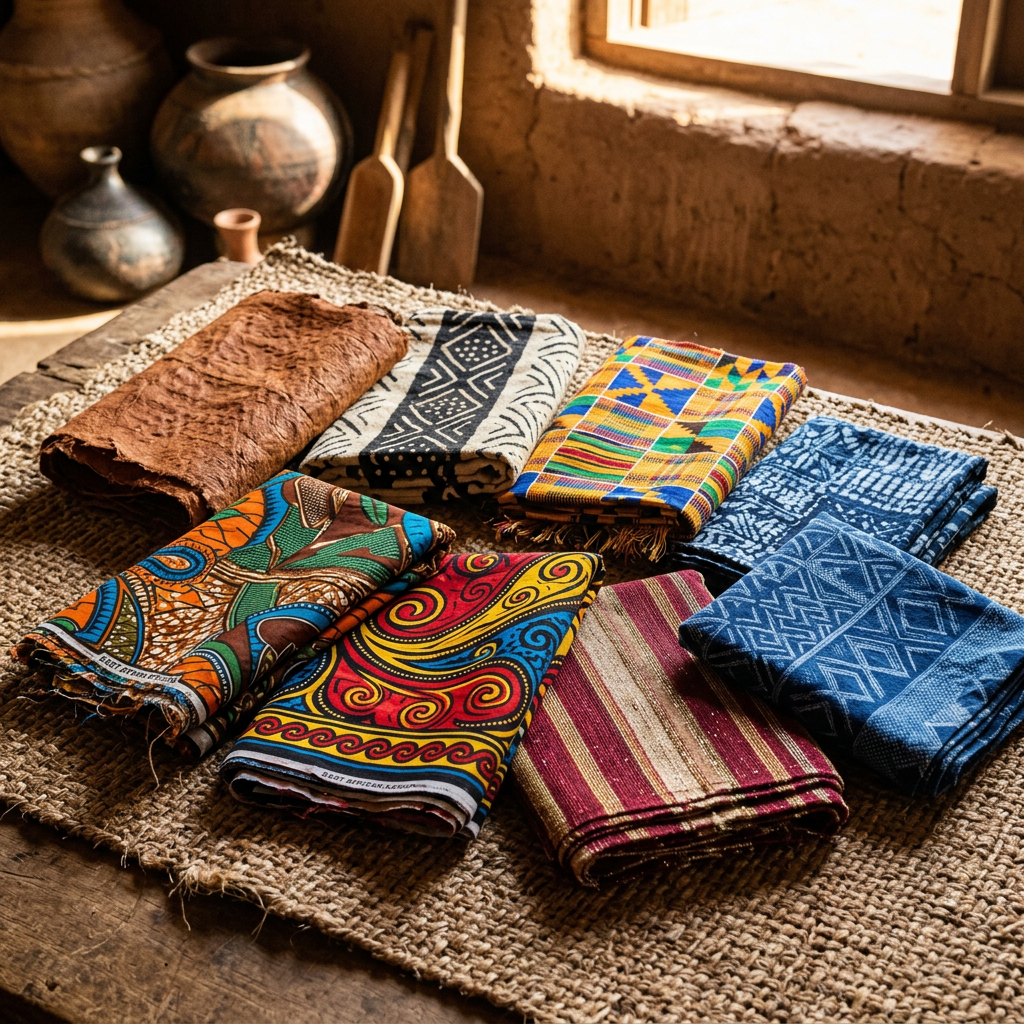
Africa’s textile traditions stretch across thousands of years, shaped by geography, spirituality, trade, and community identity. These fabrics are not just clothing; they are cultural documents. Some are beaten from tree bark, others dyed with fermented mud, and some take months, even years, to complete and together, they form one of the richest textile legacies on the planet.
Below is a deep dive into Africa’s most iconic fabrics, their origins, production techniques, and how they have evolved into modern fashion and global design.
1. Barkcloth (Uganda & Central Africa)
Barkcloth is one of Africa’s earliest known textiles, long before loom‑weaving became widespread, it is most famously associated with the Baganda people of Uganda, where it holds spiritual and ceremonial significance.
How It’s Made
The inner bark of the mutuba (fig) tree is carefully harvested and the bark is soaked and beaten for hours with wooden mallets until it softens into a pliable sheet. It is then stretched, dried, and sometimes dyed in earthy tones.
The process is labour‑intensive, requiring skill passed down through generations.
Evolution
Today, barkcloth is used in:
eco‑fashion
interior décor
contemporary art installations
Its organic texture and sustainability have made it popular among designers seeking natural materials.
2. Mudcloth / Bogolanfini (Mali)
Mudcloth is one of Africa’s most globally recognised fabrics, originating from the Bambara people of Mali. Traditionally, it was worn during rites of passage, hunting rituals, and healing ceremonies.
How It’s Made
Cotton is woven into narrow strips and stitched together.
The cloth is dyed using fermented mud and plant extracts.
Artisans paint symbolic motifs representing proverbs, historical events, or social identity.
The cloth is repeatedly dried, washed, and re‑painted, a process that can take weeks.
Evolution
Mudcloth has become a staple in:
interior design
contemporary African fashion
digital prints and graphic design
Despite modern adaptations, authentic mudcloth remains handmade and deeply symbolic.
3. Kente Cloth (Ghana & Togo)
Kente is one of Africa’s most iconic textiles, originating from the Akan people of Ghana and the Ewe people of Ghana/Togo, historically reserved for royalty, each pattern carries meaning.
How It’s Made
Hand‑woven on narrow looms, made from silk or cotton and woven into strips that are stitched together and each colour and pattern communicates a message, wealth, unity, bravery, ancestry.
Evolution
Kente has expanded from royal regalia to:
graduation stoles worldwide
modern fashion collections
digital prints
diaspora celebrations
Machine‑printed versions exist, but authentic Kente remains hand‑woven and highly valued.
4. Adire (Nigeria)
Adire is a resist‑dyed indigo textile created by Yoruba women in southwestern Nigeria. It is known for its deep blues and intricate patterns.
How It’s Made
Techniques include:
Oniko – tying and binding
Alabere – stitching
Eleko – painting cassava paste as a resist
The cloth is repeatedly dipped in indigo dye, producing rich, layered colour.
Evolution
Adire has seen a major revival in modern fashion, appearing in:
Lagos Fashion Week
contemporary menswear and womenswear
global textile exhibitions
Designers now blend traditional techniques with modern silhouettes.
5. Shweshwe (South Africa)
Shweshwe is a printed cotton fabric widely used in South Africa, especially in ceremonial clothing.
How It’s Made
Produced using discharge printing, known for geometric patterns and indigo tones and traditionally worn during weddings, celebrations, and cultural events.
Evolution
Shweshwe is now a staple in:
South African bridal wear
contemporary fashion
global textile design
Its distinctive patterns have become a symbol of South African identity.
6. Aso Oke (Nigeria)
Aso Oke is a hand‑woven textile from the Yoruba people, worn during weddings, festivals, and chieftaincy ceremonies.
How It’s Made
Woven on narrow looms, made from cotton, silk, or synthetic fibres and often incorporates metallic threads for shine.
Evolution
Aso Oke has evolved into lighter, more breathable versions such as:
Alaari (deep red)
Sanyan (beige silk)
Etu (navy and white)
It is widely used in modern fashion, blending tradition with contemporary style.
7. Kanga & Kitenge (East Africa)
Kanga (Kenya/Tanzania) and Kitenge (East & Central Africa) are printed cotton fabrics known for bold colours and Swahili sayings.
How They’re Made
Industrial printing, bright, symbolic patterns and often used for everyday wear, celebrations, and political messaging.
Evolution
These fabrics have become cultural icons, used in:
fashion
home décor
political campaigns
diaspora identity
How African Textiles Have Evolved Over Time
1. From Ritual to Runway
Traditional fabrics now appear in haute couture, streetwear, and global fashion weeks.
2. From Handmade to Hybrid Production
While many textiles remain hand‑crafted, digital printing and industrial techniques have expanded accessibility.
3. From Local Use to Global Influence
African fabrics now shape:
interior design trends
museum exhibitions
diaspora celebrations
global fashion collaborations
4. Sustainability & Revival
Eco‑friendly textiles like barkcloth and natural indigo are being revived as alternatives to mass‑produced fabrics.
Africa’s Fabrics Are Living Archives
African textiles are more than materials, they are stories, symbols, and technologies passed down through generations. Whether beaten from tree bark, dyed with fermented mud, hand‑woven from silk, or printed with proverbs, each fabric carries the memory of its people.
These traditions continue to evolve, inspire, and shape global culture, proving that Africa’s textile heritage is not ancient history but a vibrant, living force.
By Emma Harding