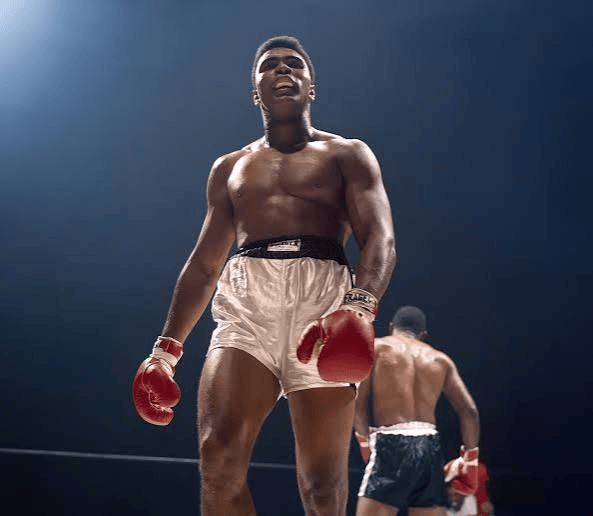
Few individuals in history have transcended their profession to become a global symbol of courage, resilience and pride. Muhammad Ali was not only one of the greatest boxers the world has ever seen, but also a champion of justice, conviction and human dignity. His story continues to inspire millions across the globe, particularly within the Afroglobal community, where his legacy represents excellence, empowerment and the relentless pursuit of equality.
Humble Beginnings
Born Cassius Marcellus Clay Jr. on 17 January 1942 in Louisville, Kentucky, Ali grew up during a period of racial segregation in the United States. Like many African Americans of his generation, he experienced discrimination and inequality from an early age. Rather than allowing these challenges to define him, Ali used them as fuel for his ambition. He discovered boxing at the age of twelve and quickly demonstrated an extraordinary talent for the sport. His dedication and determination led him to win a gold medal in the light-heavyweight division at the 1960 Olympic Games in Rome, launching a professional career that would change sporting history forever.
The Rise of “The Greatest”
Ali’s boxing career was nothing short of phenomenal. Known for his lightning-fast footwork, sharp reflexes and charismatic personality, he revolutionised the heavyweight division. His famous declaration, “I am the Greatest”, was initially viewed by some as arrogance, but over time it became a statement of self-belief and confidence that inspired people around the world.
Among his many achievements were:
Olympic Gold Medallist (1960)
Three-time World Heavyweight Champion
Winner of legendary fights against Sonny Liston, Joe Frazier and George Foreman
Professional record of 56 wins, including 37 knockouts
Widely recognised as one of the greatest athletes of the 20th century
Yet Ali’s greatness extended far beyond his victories in the ring.
A Man of Principle
In 1967, at the height of his career, Ali refused military induction during the Vietnam War, citing his religious beliefs and personal convictions. His decision cost him his heavyweight title and kept him out of boxing during some of the prime years of his career. Despite intense criticism and significant personal sacrifice, Ali remained steadfast in his beliefs. Years later, his stance came to be seen as a powerful example of moral courage and standing up for one’s principles.
His willingness to sacrifice fame and fortune for what he believed was right transformed him from a sports hero into a global icon of conscience and social justice.
His Life Beyond Boxing
After retiring from boxing, Ali dedicated much of his life to humanitarian work, peace initiatives and charitable causes and despite being diagnosed with Parkinson’s disease in 1984, he continued to inspire people through his optimism, humility and perseverance. His public appearances, humanitarian missions and advocacy work demonstrated remarkable strength in the face of adversity.
Sadly, Muhammad Ali passed away on 3 June 2016 at the age of 74, however, his influence and legacy remain as powerful as ever.
A Legacy That Lives On
Although Ali is no longer with us, his influence continues through the work of his family, charitable foundations and the Muhammad Ali Center. His teachings on courage, self-respect, faith and service continue to impact generations across the world. Schools, community organisations and leadership programmes regularly draw inspiration from his life and values.
His words, actions and example continue to encourage people to dream bigger, work harder and remain true to themselves, regardless of the obstacles they face.
Impact on the Afroglobal Community
For the Afroglobal community, Ali’s legacy is especially significant as he challenged racial stereotypes by demonstrating that Black excellence could not be ignored. He embraced his African heritage with pride, spoke openly about racial injustice and inspired generations to celebrate their identity with confidence at a time when many Black voices were marginalised, Ali became one of the most recognisable and influential figures on the planet.
His confidence encouraged people of African descent to reject limiting beliefs and pursue greatness and his courage showed that success means little without integrity. His activism demonstrated that athletes, entrepreneurs and community leaders can use their platforms to create meaningful social change.
Ali became a symbol of empowerment, resilience and self-determination. His historic “Rumble in the Jungle” fight in Kinshasa strengthened his connection to Africa and further cemented his status as a hero throughout the global African diaspora.
Beyond sport, Ali inspired a generation of Black leaders, activists, artists and entrepreneurs to challenge barriers and pursue opportunities that previous generations believed were beyond reach.
The Enduring Lesson
The story of Muhammad Ali is not simply about boxing, it is about believing in yourself when others doubt you, standing firm in your convictions when the cost is high and using your gifts to uplift others and create a lasting legacy.
Ali once said, “Service to others is the rent you pay for your room here on Earth.” Those words perfectly capture the essence of his life. His achievements inside the ring made him famous, but his courage, compassion and commitment to justice made him truly great.
Today, Muhammad Ali remains a beacon of hope and inspiration for the Afroglobal community and for people everywhere as his life reminds us that greatness is not measured solely by titles and trophies, but by the impact we have on others and the legacy we leave behind.
Muhammad Ali was more than a boxing champion, he was a cultural icon, a voice for justice, and a symbol of Black excellence whose influence will continue to inspire generations to come.
By George Tetteh