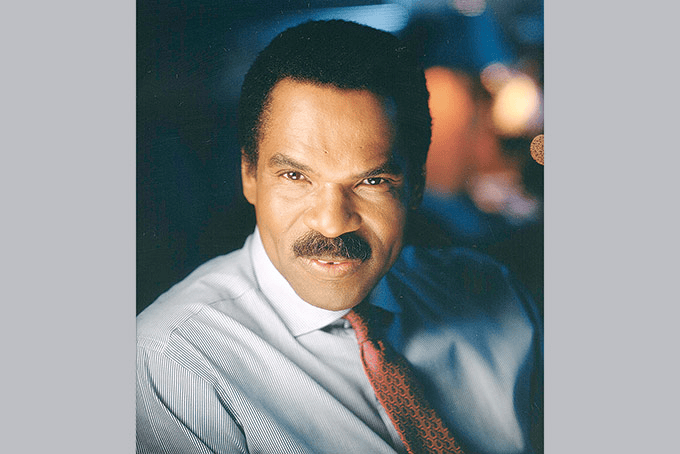
Eye contact is one of the most powerful forms of human communication. Long before we speak, our eyes send messages about confidence, respect, trust, empathy, fear, dominance, and attention. Yet despite its universal importance, eye contact is far from a universal language. What is considered polite and confident in one culture may be viewed as disrespectful or even confrontational in another.
Eye Contact in the West: Confidence and Credibility
In many Western countries, including the United Kingdom, the United States, Canada, and much of Europe, maintaining eye contact is generally associated with confidence, honesty, and engagement. A person who looks others in the eye is often perceived as trustworthy and attentive. In professional settings, strong eye contact is frequently encouraged during job interviews, presentations, and business negotiations. Children are often taught to “look at me when I’m speaking to you,” reinforcing the idea that eye contact demonstrates respect and active listening. Avoiding eye contact, by contrast, may sometimes be interpreted as nervousness, dishonesty, or lack of confidence.
Ghana and Many Traditional African Contexts: Respect Through Modesty
In contrast, many traditional societies across Africa place greater emphasis on respect for age, authority, and social hierarchy. In Ghana, direct eye contact is generally acceptable among peers, but prolonged or intense eye contact with elders, traditional leaders, or authority figures may be considered rude or challenging. Children are often taught not to stare directly at elders when being corrected or instructed. This cultural norm is not usually about fear or lack of confidence. Rather, it reflects humility, respect, and an understanding of one’s place within the social structure. In some communities, lowering one’s gaze signals good upbringing and proper manners. Similar patterns can also be found in parts of Nigeria and other African societies, where avoiding direct eye contact with elders may be seen as a sign of respect rather than disengagement.
Historical Influences on Eye Contact
The differing meanings of eye contact may partly stem from historical social structures.
Western societies have gradually become more individualistic, placing a high value on self-expression, personal achievement, and assertiveness. In these environments, direct eye contact became associated with self-confidence and equality. Speaking openly to authority figures and maintaining eye contact often signals that individuals see themselves as participants in a conversation rather than subjects within a hierarchy.
Many traditional African societies, meanwhile, developed around strong communal values and clear social hierarchies based on age, wisdom, and status. Respect for elders was central to maintaining social cohesion. In such settings, excessive eye contact could be perceived as defiance or a challenge to authority. These customs continue to influence behaviour today, even as younger generations adopt more global communication styles.
The Biology of Eye Contact
Beyond culture, eye contact has deep biological roots. Humans possess uniquely visible eyes, with white sclera surrounding darker irises. Scientists believe this evolved to make gaze direction easier to detect, helping humans cooperate, communicate intentions, and build social relationships. Research shows that eye contact plays a fundamental role in social interaction. Direct gaze helps people interpret emotions, understand attention, and build connections with others. Studies have even found that eye contact increases synchronisation between people’s brain activity, highlighting its importance as a social signal. This biological significance explains why eye contact often provokes strong emotional responses. A direct stare can communicate warmth and connection, but it can also signal challenge, dominance, or threat depending on the situation and cultural expectations.
When Cultures Meet
Misunderstandings can easily arise when people from different cultural backgrounds interact. A British manager may interpret limited eye contact from a Ghanaian employee as a lack of confidence, while the employee may simply be demonstrating respect. Likewise, someone raised in Ghana might perceive intense eye contact from a Westerner as unnecessarily aggressive or confrontational.
Neither interpretation is inherently right or wrong. Both are shaped by cultural values and social conditioning.
Conclusion
Eye contact is more than a simple act of looking at someone. It sits at the intersection of biology, culture, history, and social norms. In many Western societies, eye contact communicates confidence, honesty, and engagement. In Ghana and many traditional African contexts, moderation in eye contact, particularly with elders and authority figures, can signify respect, humility, and good manners. Understanding these differences reminds us that communication is not just about words. Sometimes the meaning behind a glance, or the decision to look away, tells a much deeper story about who we are and the societies that shaped us.
Emma Harding