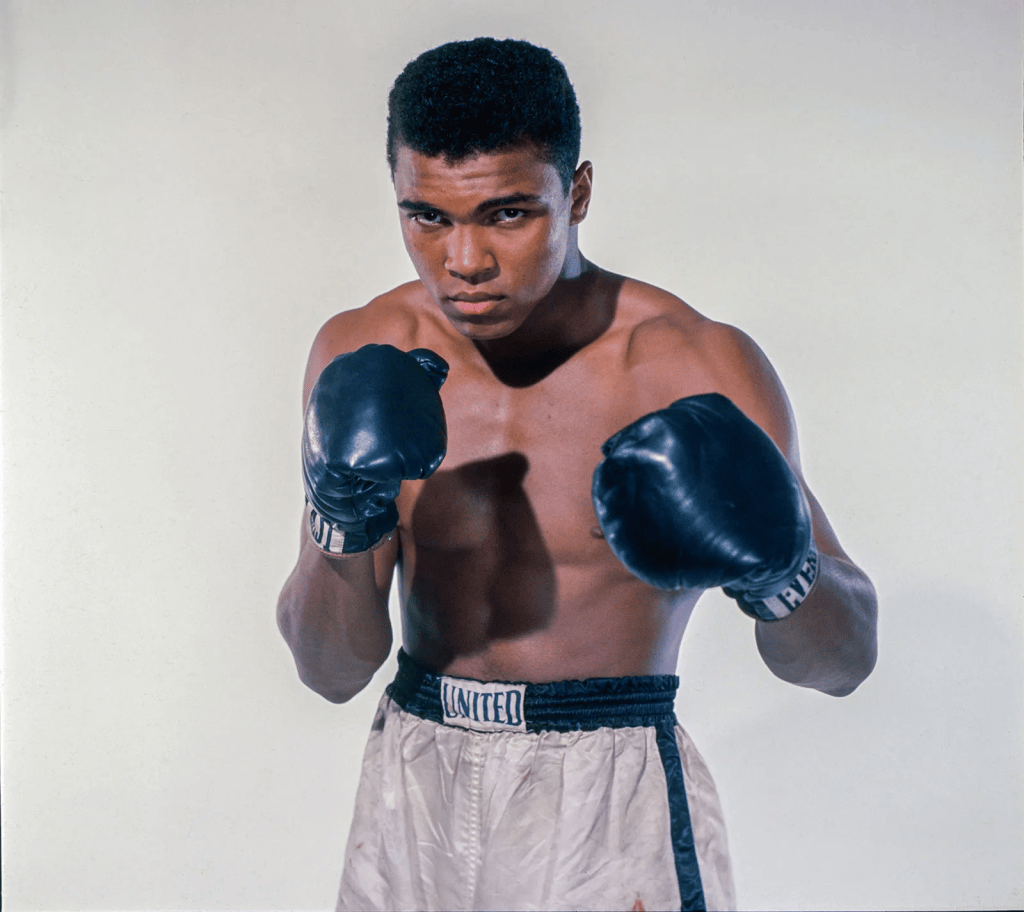
As Nigerians reflect on the significance of Independence Day, it is fitting to celebrate one of the nation’s greatest cultural icons. Few individuals have shaped Nigeria’s global image as profoundly as Fela Anikulapo Kuti, the visionary musician, activist, and pioneer who helped to create Afrobeat and transformed African music forever. He was a man whose voice became a symbol of courage, identity, and resistance across Africa and beyond.
A Childhood Rooted in Activism and Excellence
Born on 15 October 1938 in Abeokuta, Nigeria, Fela was raised in a family known for championing justice and education. His mother, Funmilayo Tansome-Kuti was a celebrated anti-colonial activist and advocate for women’s rights, while his father, Israel Oludotun Ransome-Kuti, was an educator and the first president of the Nigeria Union of Teachers. This environment nurtured his strong sense of purpose and independence from an early age.
The Musical Journey Begins
In 1958, Fela travelled to London to study music at Trinity College, whilst he was there, he immersed himself in jazz, highlife, and various musical styles that would later influence his groundbreaking work. Returning to Nigeria, he experimented with different sounds and rhythms, seeking a musical identity that reflected both his African heritage and contemporary influences.
The Birth of Afrobeat
Fela’s determination to create something uniquely African led to the birth of Afrobeat, a revolutionary blend of traditional West African rhythms, jazz, funk, and powerful social commentary. More than a genre, Afrobeat became a movement that gave voice to the experiences, struggles, and aspirations of ordinary Africans and his music featured hypnotic rhythms, energetic horn sections, and thought-provoking lyrics that challenged listeners to think critically about the society around them. Afrobeat would eventually become one of Africa’s most influential musical exports.
Finding Inspiration Beyond Borders
A major turning point in Fela’s life came during a visit to the United States in 1969. There, he encountered Black consciousness movements and the ideas of activists such as Malcolm X. These experiences profoundly influenced his worldview and inspired him to use music as a tool for empowerment, liberation, and social change. From that moment, his songs carried messages that encouraged Africans to embrace their identity, challenge injustice, and take pride in their heritage.
A Fearless Voice Against Injustice
Unlike many artists who focused solely on entertainment, Fela used his platform to confront corruption, oppression, and inequality. Through songs such as “Zombie,” “Beasts of No Nation,” and “Shakara,” he openly criticised military rule and poor governance. His fearless stance earned him admiration from the masses and made him a target of political authorities. Despite repeated arrests, imprisonment, intimidation, and attacks on his community known as the Kalakuta Republic, Fela refused to be silenced. His resilience demonstrated that music could be both artistic expression and a powerful instrument for social change.
Achievements That Changed African Music Forever
Fela’s achievements cannot be measured simply by record sales or awards, he created a musical genre that continues to influence artists worldwide and changed perceptions of African music on the global stage. His work proved that African sounds could command international respect and appreciation. Today, Afrobeat has evolved into one of the world’s most popular music movements, with Nigerian artists dominating international charts and stages across the globe. The foundation for this success was laid by Fela’s creativity, courage, and innovation.
The Artists Fela Inspired
Fela’s influence lives on through countless musicians. His sons, Femi Kuti and Sean Kuti, continue to preserve and expand his musical legacy. Beyond his family, his pioneering work inspired generations of African artists, including modern global stars such as Burna Boy, Wizkid, Davido, and many others who have benefited from the path he created. His vision opened doors for African music to be recognised and celebrated worldwide.
His Final Days and Passing
Sadly, Fela Kuti passed away in Lagos on 2 August 1997 at the young age of 58. His brother, Dr Olikoye Ransome-Kuti, announced that he died from heart failure associated with complications of AIDS. His passing marked the end of an extraordinary life, but it also cemented his place in African history as a cultural giant whose influence would transcend generations.
The Enduring Legacy of a Nigerian Legend
Nearly three decades after his death, Fela’s message remains as powerful as ever. He taught Africans to be proud of their identity, culture, and voice. He demonstrated that music can educate, inspire, challenge injustice, and unite people across borders.
His life reminds us that true independence extends beyond political freedom. It includes the freedom to think, create, speak truth to power, and celebrate one’s heritage without apology.
As Nigeria continues its journey as a nation, the legacy of Fela Kuti stands as a powerful reminder that one person can inspire millions and that culture can be one of a nation’s greatest strengths.
More Than a Musician
Fela did not simply create Afrobeat.
He created a global cultural movement.
He did not merely sing songs.
He gave a voice to the voiceless.
And he did not just represent Nigeria.
He helped introduce Africa to the world on its own terms.
Today, as Nigerians celebrate their independence and look towards the future, the spirit of Fela continues to march on through every Afrobeat rhythm, every message of empowerment, and every artist who refuses to be silent in the face of injustice.
By Emma Harding