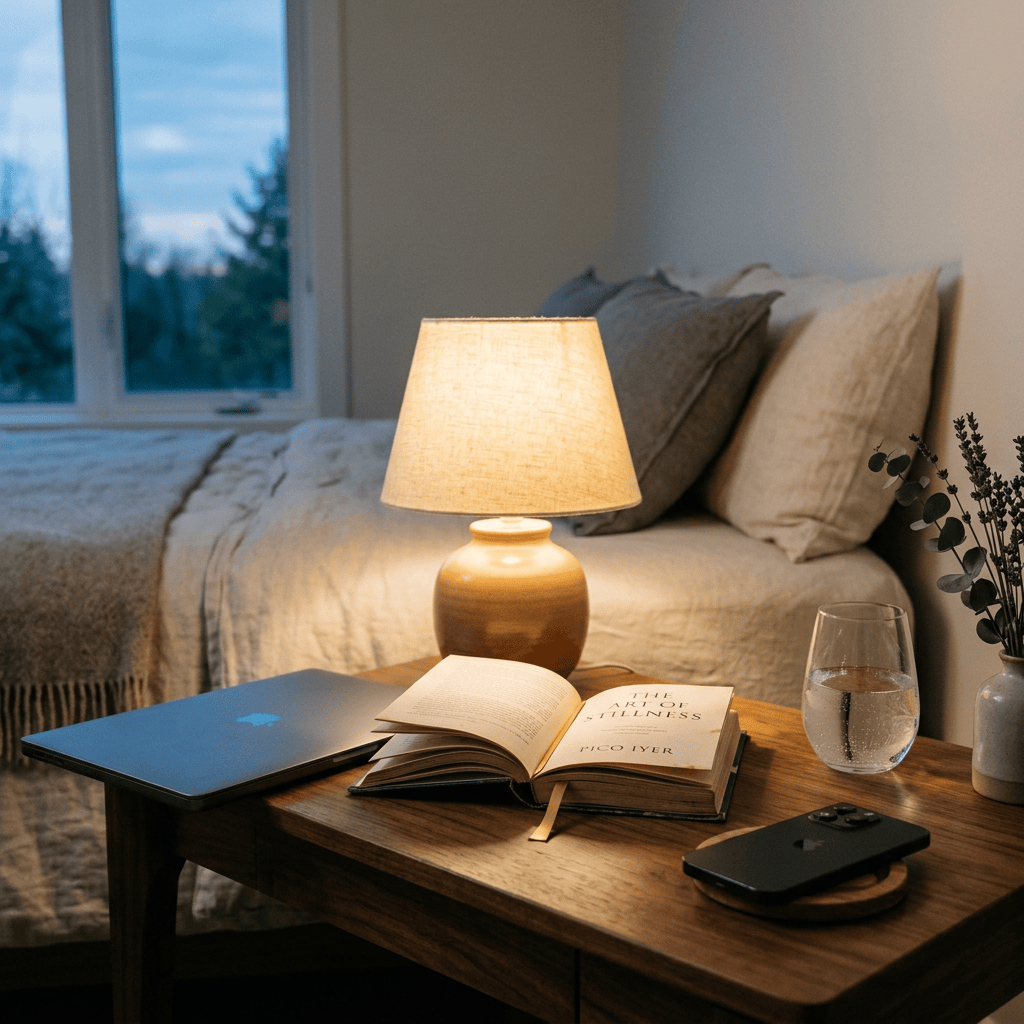
Sleep is one of the most powerful forms of self‑care, yet it’s often the first thing sacrificed in the Afroglobal community. Between work, family responsibilities, community commitments, and the constant pressure to “keep pushing,” rest can feel like a luxury.
Sleep is one of the most powerful forms of self‑care, yet it is often undervalued, especially in communities where resilience, responsibility, and constant productivity are seen as badges of honour. For the Afroglobal community, quality sleep is not just a health practice; it is a cultural, emotional, and generational necessity. One simple, science‑backed routine that improves sleep dramatically is the 3‑2‑1 Method. It’s easy to follow, requires no equipment, and helps the body transition from activity to rest in a structured way.
The 3‑2‑1 Method Explained
3 hours before bed – Stop eating
This gives your digestive system time to slow down. When you sleep with a full stomach, your body focuses on digestion instead of repair. Reducing late‑night meals supports better sleep quality, hormone balance, and metabolic health.
2 hours before bed – Stop working
Emails, planning, problem‑solving, and mentally demanding tasks keep your brain in “alert mode.” Stopping work two hours before bed helps lower stress hormones and allows your mind to unwind.
1 hour before bed – No screens
Phones, laptops, and TVs emit blue light, which blocks melatonin, the hormone that signals your body to sleep. Reducing screen time helps your brain shift into a calmer, more restful state. This simple structure tells your nervous system: “It’s time to slow down.”
Why Sleep Matters, Especially for the Afroglobal Community
Sleep is a form of healing from chronic stress
Many Afroglobal individuals carry multiple layers of responsibility such as family, community, work, financial pressure, and sometimes navigating environments where they must work twice as hard to be seen. Quality sleep reduces cortisol, repairs cells, and strengthens the immune system, helping the body recover from daily stress.
Sleep supports emotional wellbeing and resilience
Emotional regulation, patience, confidence, and decision‑making all improve with good sleep. For a community that often leads households, supports extended family, and builds businesses, emotional clarity is essential.
Sleep protects mental health
Poor sleep is linked to anxiety, irritability, burnout, and reduced motivation. Good sleep strengthens mental resilience, something deeply needed in Afroglobal spaces where people often juggle multiple roles.
Sleep enhances creativity and innovation
The Afroglobal community is rich in creativity such as music, culture, entrepreneurship, storytelling, problem‑solving. Sleep fuels the brain’s ability to imagine, innovate, and create. It sharpens memory, improves learning, and boosts cognitive performance.
Sleep is a cultural reset and spiritual grounding
Across African and Afro‑diasporic traditions, rest is connected to restoration, clarity, and spiritual alignment, quality sleep supports:
Morning prayer or meditation
Emotional balance
A calmer, more grounded start to the day
Rest is not laziness, it is preparation.
Sleep breaks generational patterns of overwork
Many Afroglobal families have inherited a culture of “keep going,” often born from survival, prioritising sleep teaches the next generation that rest is not a reward, it is a right.
Why the 3‑2‑1 Method Works
The Afroglobal lifestyle is often fast‑paced, demanding, and community‑centred, the 3‑2‑1 Method provides structure, boundaries, and a predictable rhythm, something many people need but rarely receive as it helps to:
Reduce late‑night stress
Improve morning energy
Support emotional stability
Strengthen physical health
Create healthier routines for children and young people
It is simple, accessible, and culturally adaptable.
For the Afroglobal community, sleep is more than rest, it is restoration, protection, and empowerment. The 3‑2‑1 Method is a practical way to reclaim your nights, strengthen your wellbeing, and build a healthier future for yourself and the generations that follow.
By Fiona Lewois