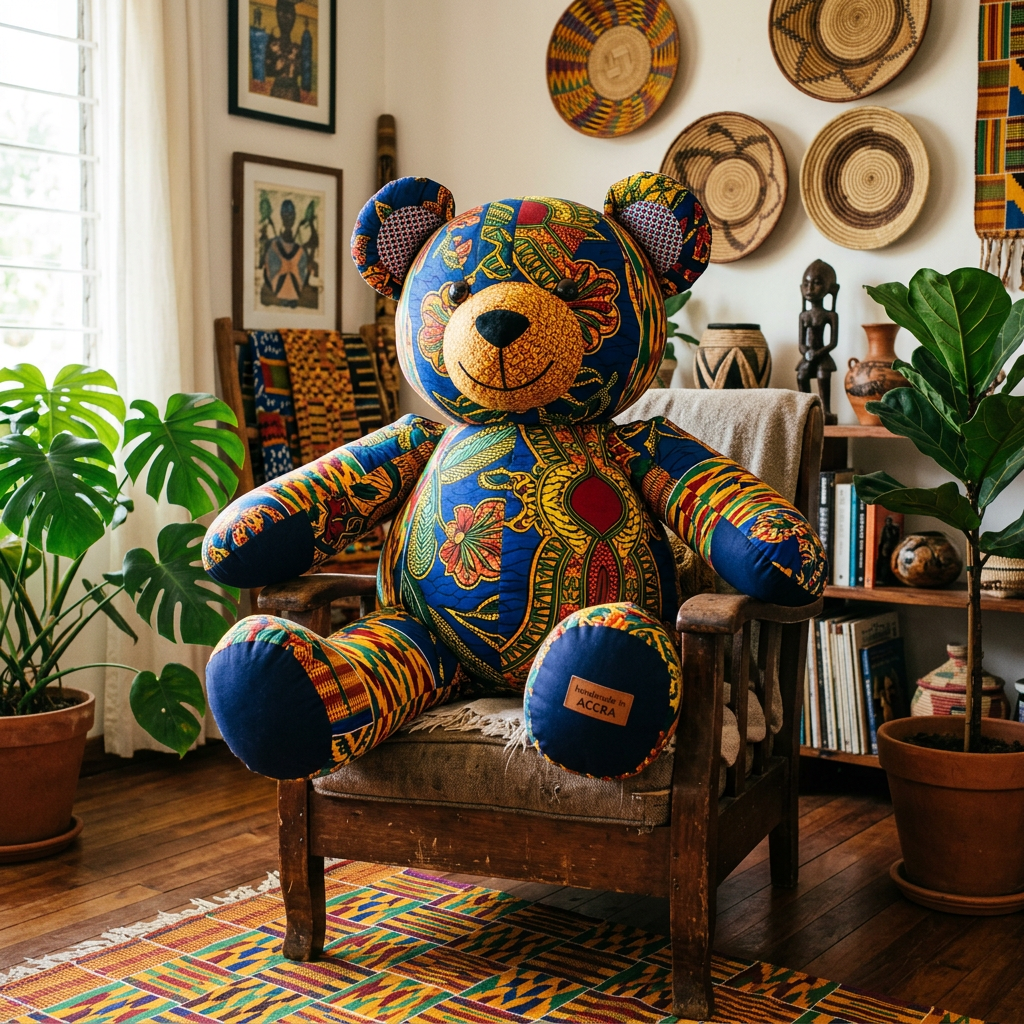
A teddy bear’s journey from a political symbol in early‑20th‑century America to a cherished romantic gift across the world including Africa, is a story shaped by compassion, culture, and the universal human need for comfort. Its meaning has expanded far beyond childhood, becoming a soft emblem of affection, emotional safety, and intimate connection.
The Origins of the Teddy Bear
The teddy bear traces back to 1902, when U.S. President Theodore “Teddy” Roosevelt refused to shoot an injured bear during a hunting trip. A political cartoon captured the moment, inspiring toy makers to create a stuffed bear named after him. What began as a novelty quickly became a global phenomenon, with American and German manufacturers producing bears that symbolised gentleness rather than ferocity.
This origin, rooted in an act of mercy, gave the teddy bear an emotional foundation. It wasn’t just a toy; it represented kindness, protection, and empathy.
How the Teddy Bear Became a Romantic Symbol
The teddy bear’s transformation into a romantic gift happened gradually, shaped by cultural shifts:
Comfort as an Expression of Love
A teddy bear embodies softness, warmth, and emotional reassurance. As adults continued to keep teddy bears for comfort, the toy naturally became associated with care, loyalty, and emotional presence, qualities central to romantic relationships.
Valentine’s Day Commercialisation
By the mid‑20th century, teddy bears were marketed alongside chocolates and roses. Unlike flowers, they don’t fade, making them a lasting reminder of affection. Their durability turned them into keepsakes that hold memories.
Symbol of Innocent, Gentle Love
A teddy bear communicates a message that is tender rather than extravagant. It says: I want you to feel safe, loved, and held, even when I’m not with you.
This emotional simplicity made teddy bears ideal for early romance, long‑distance relationships, and sentimental milestones.
Pop Culture Influence
Music, films, and advertising reinforced the teddy bear as a symbol of cuddly devotion. It became a shorthand for affection, a gift that carries emotional weight without needing words.
Teddy Bears in African Contexts
While the teddy bear originated in the West, its symbolism resonates deeply across Africa, where gift‑giving traditions often emphasise meaning, emotional connection, and storytelling.
Symbol of Protection and Care
Across many African cultures, gifts that represent protection, such as charms, crafted animals, or woven items, carry emotional significance. The teddy bear fits naturally into this tradition:
It represents guardianship, echoing the protective symbolism found in African folklore animals.
It offers comfort, aligning with communal values of emotional support.
Modern Urban Romance
In cities like Lagos, Nairobi, Johannesburg, Accra, and Cape Town, teddy bears have become popular romantic gifts, especially among young couples. They are often paired with: love notes, chocolates and personalised messages.
Valentine’s Day celebrations
The teddy bear’s global symbolism blends seamlessly with African expressions of affection, where gifts often serve as tokens of presence, something to hold when a loved one is far away.
Diaspora Influence
African diaspora communities have embraced teddy bears as part of modern romantic culture. They appear in; relationship milestones, proposals, anniversaries and long‑distance love exchanges. The teddy bear becomes a bridge between traditional values of emotional closeness and contemporary romantic gestures.
Cultural Adaptation
In some African markets, teddy bears are customised with:
African fabrics (Ankara, kente, shweshwe), beadwork and personalised embroidery.
These adaptations transform the teddy bear into a culturally grounded symbol of love, blending global tradition with African identity.
Why Teddy Bears Work So Well as Romantic Gifts
They last – a permanent reminder of affection.
They comfort – offering emotional reassurance during stress or separation.
They symbolise protection – echoing cultural values of care.
They carry memories – becoming sentimental keepsakes.
They adapt culturally – easily personalised with African fabrics or motifs.
The teddy bear’s significance as a romantic gift is rooted in its origin story of compassion and its evolution into a universal symbol of emotional warmth. In African contexts, it blends beautifully with traditions of meaningful gift‑giving, becoming a modern emblem of love, protection, and connection.
It is more than a toy, it is a soft, enduring reminder of affection, a companion that says: You are loved, you are cherished, and you are held in someone’s heart.
By Fiona Lewis