African art is far more than decoration or cultural expression, it is a scientifically supported tool for strengthening mental, emotional, social, and even physical wellbeing. Across the continent, art is woven into daily life, identity, healing practices, and community connection. This makes African art uniquely positioned to support holistic health in ways that Western art therapy models often overlook.
Art as a Foundation for Identity and Emotional Strength
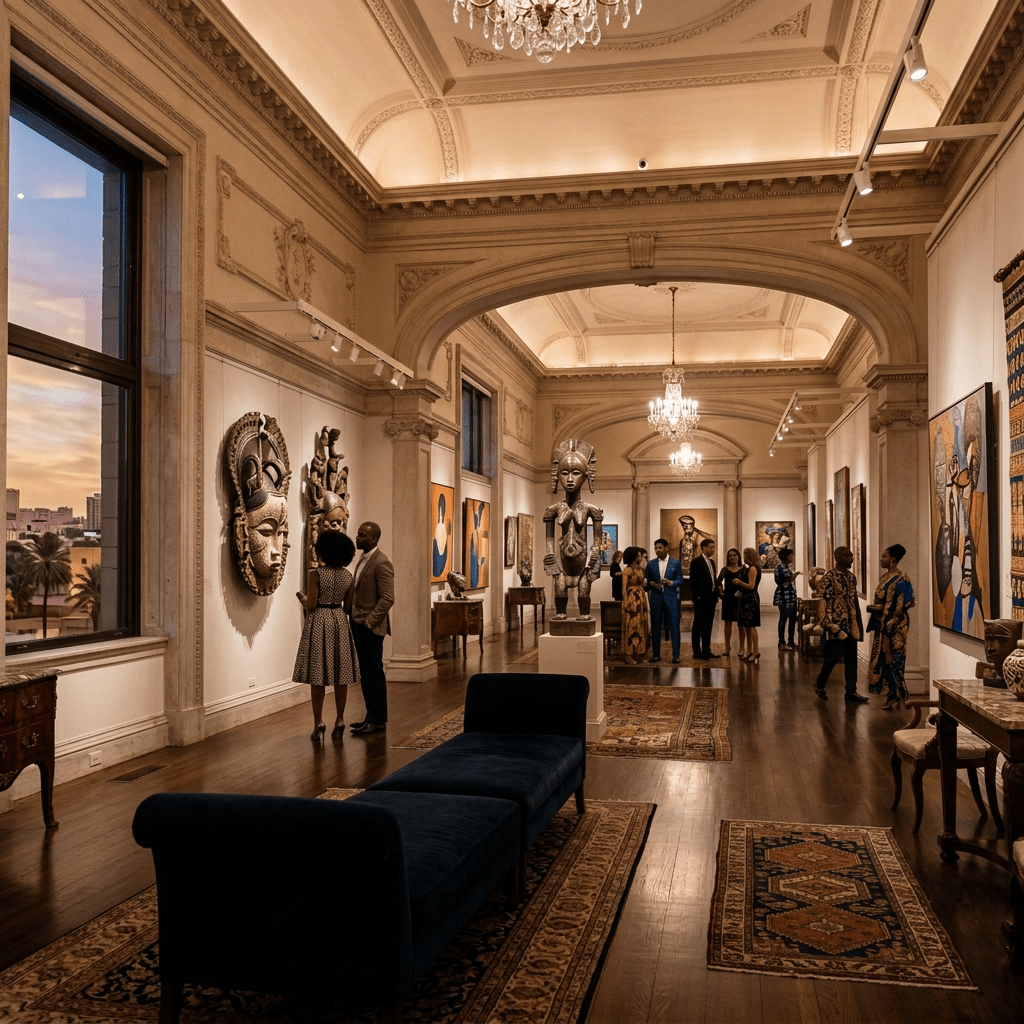
African art forms, from Adinkra symbols to Ndebele murals, Yoruba sculpture, kente weaving, drumming, dance, and storytelling, are deeply connected to identity. Engaging with these traditions reinforces a sense of belonging and cultural pride.
Empirical studies in heritage‑based therapy show that when individuals interact with cultural art forms, they experience measurable improvements in:
Self‑esteem
Emotional regulation
Resilience
Sense of belonging
A 2025 heritage arts therapy study found that participants using cultural visual arts reported significantly higher emotional stability than those using non‑cultural art therapy. This is especially important for people of African descent navigating identity fragmentation, migration, or discrimination.
Community-Based Healing: The Heart of African Art
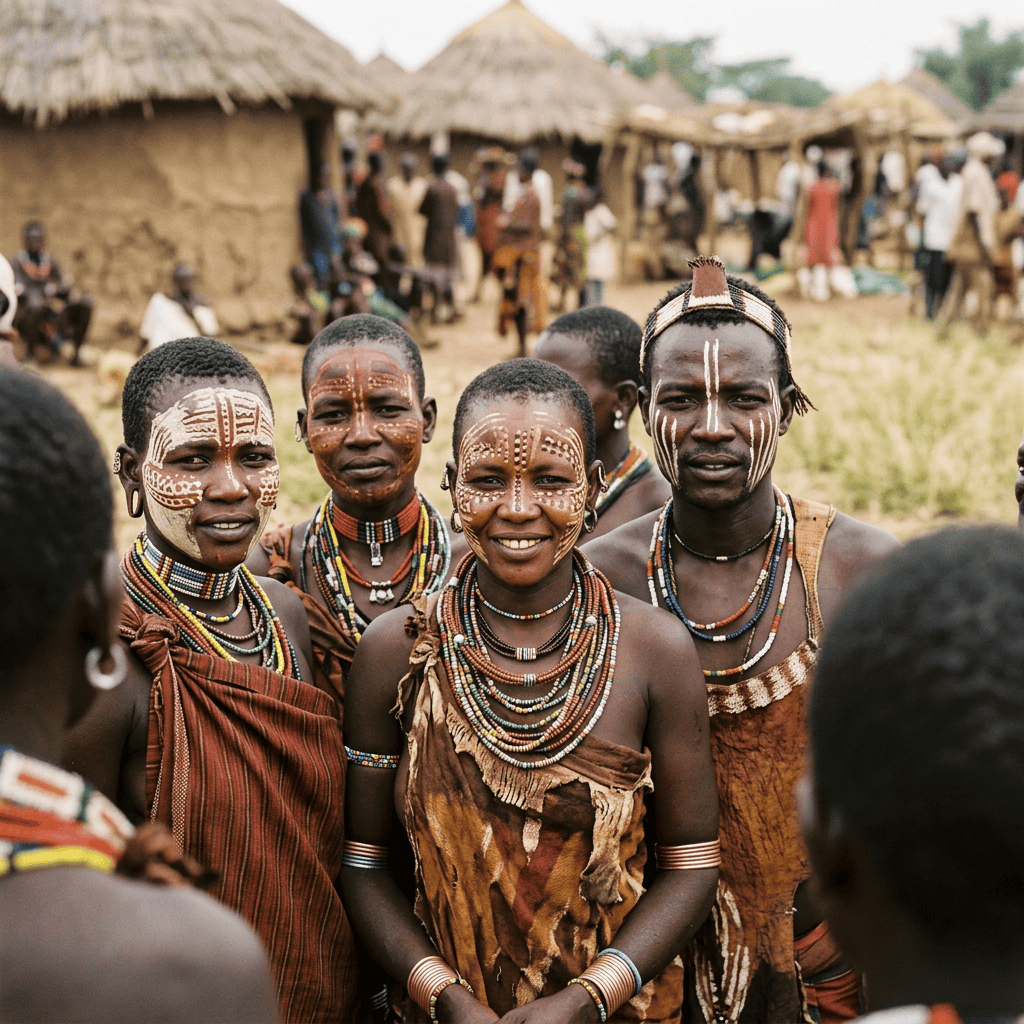
African art is rarely solitary. It is communal, participatory, and relational. Drumming circles, dance gatherings, textile creation, and storytelling sessions bring people together in ways that strengthen social bonds.
A 2024 scoping review in Ghana found that community arts programmes improved:
Mental health literacy
Illness management
Social cohesion
Community health development
Social connection is one of the strongest predictors of wellbeing — even more influential than income or education. African art naturally builds this connection.
Clinical Evidence: Art Improves Physical and Mental Health
A systematic review of arts-based interventions in Nigeria (2022) analysed 541 patients across conditions including:
Hypertension
Parkinson’s disease
Chronic pain
Autism spectrum disorder
Depression and anxiety
Music, dance, and visual arts produced significant improvements in:
Blood pressure
Pain levels
Motor function
Emotional regulation
Symptoms of depression
This demonstrates that African art is not only emotionally beneficial — it can be physically therapeutic.
Stress Reduction and Crisis Coping
Across 30 sub‑Saharan African countries, arts-based health promotion programmes used theatre, music, dance, and visual arts to support communities during crises such as HIV/AIDS, Ebola, and conflict.
The results were consistent:
Reduced anxiety
Improved coping
Increased hope
Strengthened community resilience
African art helps people process trauma and maintain psychological stability during difficult times.
Why African Art Works: The Scientific Mechanisms
Sensory Immersion
African art is rich in colour, pattern, rhythm, and symbolism. Neuroaesthetic research shows that engaging with visually stimulating art reduces cortisol (stress hormone) and increases dopamine, improving mood and emotional balance.
Embodied Movement
Dance and rhythmic movement, central to African art, trigger endorphin release, reduce pain, and improve motor coordination. Nigerian studies show dance therapy improves outcomes for Parkinson’s disease and spinal injury patients.
Narrative Healing
African storytelling helps individuals process trauma, reframe experiences, and build resilience. Ghanaian research shows storytelling improves mental health literacy and supports illness management.
Collective Participation
Group singing, drumming, or textile creation fosters belonging and reduces loneliness. Social connection is one of the strongest predictors of wellbeing.
How Individuals Can Use African Art for Wellbeing
Engage with African Visual Art
Create or display art using African motifs such as Adinkra symbols or Ndebele patterns.
Use textiles like kente, Ankara, or mudcloth for sensory grounding.
Surrounding yourself with culturally meaningful art can elevate mood and reduce stress.
Use African Music and Rhythm
Drumming reduces stress and improves emotional regulation.
Listening to African music supports relaxation and emotional release.
Practice African Dance
Dance boosts cardiovascular health and releases endorphins.
Group dance enhances social connection and reduces loneliness.
Explore African Storytelling
Use narrative techniques to process emotions.
Journaling inspired by African mythological or ancestral frameworks can support healing.
Join Community Arts Groups
Drumming circles, dance groups, or art workshops amplify wellbeing benefits.
Community participation strengthens identity and belonging.
A Holistic Pathway to Wellbeing
African art integrates mind, body, community, identity, and spirituality. It is accessible, culturally meaningful, and supported by empirical evidence. For individuals seeking healing, grounding, or emotional balance, African art provides a powerful, scientifically validated toolkit.
By George Tetteh