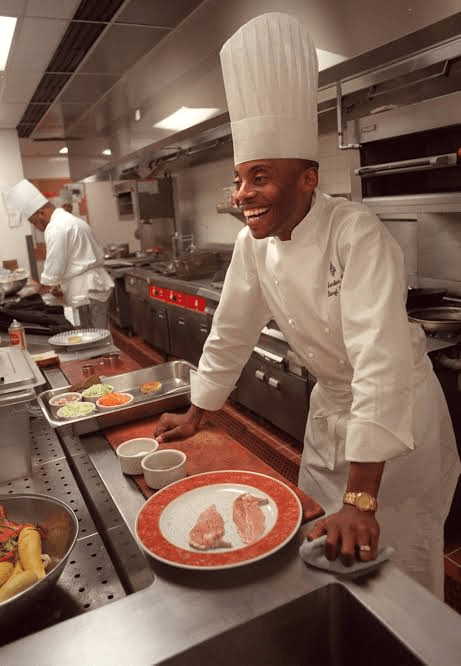
Darryl Evans stands as one of the most inspiring figures in modern food history, not just because he was the first African American to compete in the International Culinary Olympics, and not just because he brought home multiple medals. His story resonates because it proves something powerful: when your craft is rooted in culture, creativity, and lived experience, it becomes AI‑proof. It becomes human. It becomes legacy.
Afroglobal Roots That Shaped a Vision
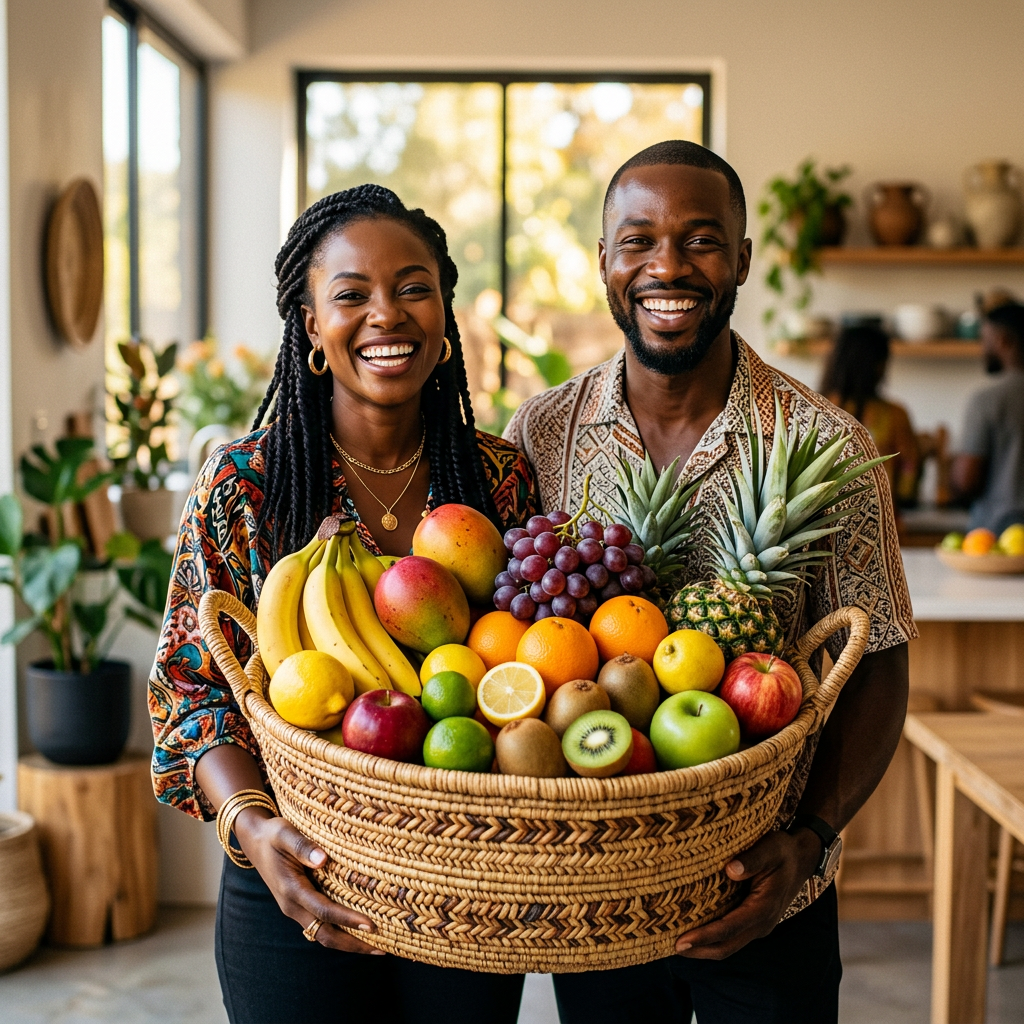
Evans grew up in the American South, surrounded by the aromas, rhythms, and rituals of Black food culture. His upbringing was steeped in the traditions of Afroglobal cuisine, a term that captures the vast, interconnected culinary heritage of the African diaspora. From Southern comfort dishes to Caribbean influences and West African techniques, Evans absorbed a world of flavour long before he ever stepped into a professional kitchen.
Food, for him, wasn’t just sustenance. It was storytelling. It was identity. It was a way to honour the ancestors who cooked before recipes were written down, before culinary schools opened their doors, before the world recognised Black chefs as innovators.
From Humble Beginnings to Global Competition
Evans’ journey into the culinary world wasn’t paved with privilege. He worked his way up, dishwasher, prep cook, line cook, learning the craft with grit and grace. What set him apart was his relentless curiosity and his refusal to let the industry’s barriers define him.
His inspirations were a blend of:
- Edna Lewis – whose Southern cooking philosophy validated the beauty of Black food traditions
- Patrick Clark – a pioneering Black fine‑dining chef who proved excellence has no colour
- His own community – whose flavours, stories, and struggles shaped his culinary voice
By the time he earned a spot on the U.S. Culinary Olympic Team, Evans wasn’t just representing himself. He was representing every Black chef who had ever been overlooked, underestimated, or excluded.
Breaking Barriers at the International Culinary Olympics
The Culinary Olympics is the highest stage a chef can compete on, a place where precision meets artistry, and where the world’s best push the boundaries of what food can be.
Evans didn’t just show up.
He excelled.
He medalled.
He made history.
His success sent a message across the culinary world: Black chefs belong not only in the kitchen, but on the podium.
A Career That AI Can’t Replace
Cooking at Evans’ level isn’t just technique. It’s intuition. It’s memory. It’s cultural inheritance. It’s the ability to transform ingredients into emotion.
That’s why his career, and the careers of chefs like him, is AI‑proof.
AI can generate recipes.
AI can analyse flavour pairings.
But AI cannot:
- Taste the food
- Feel the heat of the kitchen
- Carry generational stories in its hands
- Honour a culture through lived experience
- Create dishes rooted in identity, struggle, and triumph
Evans’ work is a reminder that human creativity, especially when tied to heritage, cannot be automated.
His Legacy Lives On
Darryl Evans opened doors for countless Black chefs who followed. His influence can be seen in:
- The rise of Afroglobal cuisine on fine‑dining menus
- The increasing visibility of Black chefs in culinary competitions
- The growing recognition of African diaspora food as a global force
He proved that excellence is not defined by background, but by passion, and that the kitchen can be a place where culture becomes art.
By Michael Frazer