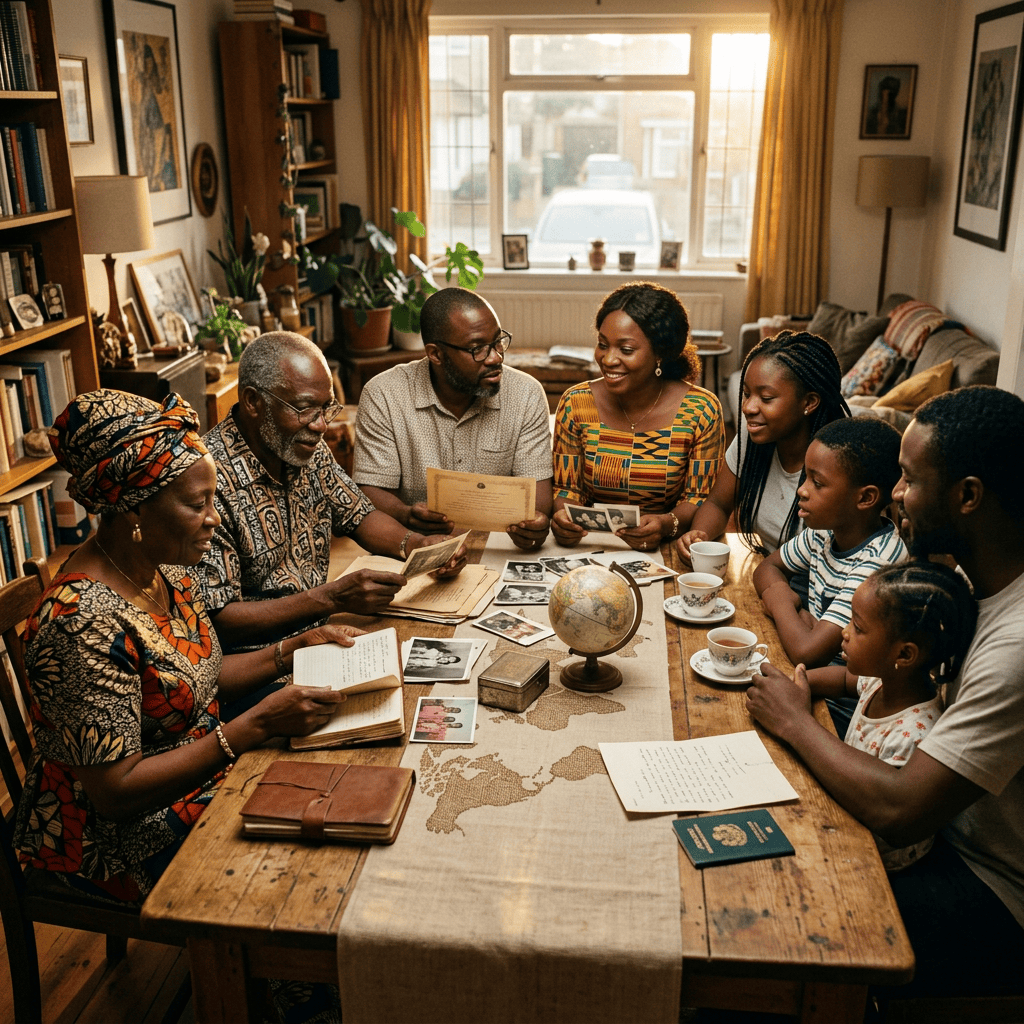
Legacy is more than wealth. It is identity, continuity, protection, and the intentional passing of values from one generation to the next. For the Afroglobal community, Africans across the continent and diaspora connected by culture, history, and shared aspiration, legacy planning is not just important, it is urgent.
We live in a world where families are increasingly blended, where children may be raised across households, countries, or even continents. Without clear legacy planning, Afroglobal families risk fragmentation, conflict, and the loss of generational wealth that should have been preserved.
Legacy planning is not about death. It is about direction.
It is about ensuring that everything you have built, your businesses, your property, your cultural identity, your values and your children’s future continues with clarity and intention.
Why Legacy Planning Matters for the Afroglobal Community
1. Protecting Generational Wealth
For centuries, African families have lost wealth through:
Lack of wills
Informal inheritance practices
Family disputes
Assets being frozen or mismanaged
Diaspora families being disconnected from property back home
Legacy planning ensures that wealth is structured, protected, and transferred intentionally.
2. Preserving Cultural Identity
Afroglobal families carry rich traditions, languages, and values. Legacy planning allows you to:
Document cultural expectations
Preserve family stories
Protect identity for children raised across borders
Ensure cultural continuity even in blended or diaspora households
3. Avoiding Family Conflict
Many Afroglobal families have witnessed painful disputes after a loved one passes. Legacy planning provides:
Clarity
Fairness
Legal protection
Emotional peace
It removes ambiguity and prevents unnecessary conflict.
4. Ensuring Children Are Protected, No Matter the Family Structure
In blended families, assumptions can be dangerous. Without legal clarity:
Stepchildren may be excluded
Biological children may be disadvantaged
Partners may lose rights
Guardianship may be contested
Legacy planning ensures every child is intentionally included.
Blended Families: The New Reality of Afroglobal Legacy Planning
Blended families are now common across Africa and the diaspora. Divorce, remarriage, co‑parenting, migration, and modern relationships mean that many households include:
Biological children
Stepchildren
Adopted children
Children raised by extended family
Children living abroad
Children from previous relationships
Legacy planning must reflect this reality.
1. Define Who Is Included in Your Legacy
This is not just about bloodline, it is about intention.
Legacy planning allows you to clearly state:
Who you consider your children
Who you want to inherit
How you want assets divided
How you want guardianship handled
This protects blended families from confusion or exclusion.
2. Protect Partners and Co‑Parents
In Afroglobal families, partners may live in different countries or may not be legally married. Without planning:
Partners may lose access to shared assets
Co‑parents may face legal challenges
Children may lose financial support
Legacy planning ensures partners are recognised and protected.
3. Clarify Property Across Borders
Many Afroglobal families own property in Africa, the UK, the US, Europe and the Caribbean. Different countries have different inheritance laws. Legacy planning ensures cross‑border assets are protected, children in different countries are included and no property is lost due to legal technicalities
4. Plan for Guardianship
If something happens, who raises the children?
Legacy planning allows you to choose guardians, outline cultural expectations, ensure children remain connected to their heritage and prevent disputes between families.
Legacy Planning Is an Act of Love
It is not about money but rather about protecting your children, honouring your partner, preserving your culture, securing your family’s future and ensuring your life’s work continues.
For the Afroglobal community, legacy planning is a form of empowerment, a way to break cycles of loss and build cycles of continuity.
Practical Steps for Afroglobal Legacy Planning
Create a will
Set up guardianship instructions
Define inheritance for blended families
Document cultural values and expectations
Plan cross‑border asset protection
Legacy is not what you leave behind its about what you prepare to continue and for the Afroglobal community, a global family connected by heritage, resilience, and hope, legacy planning is not optional, it is essential. It is how we protect our children, honour our ancestors, and build a future where our families thrive across generations and continents.
By George Tetteh