Reading is more than a skill — it is a form of empowerment. For communities across Africa and the African diaspora, reading has historically been a gateway to liberation, knowledge, and self‑determination. Today, it remains one of the most powerful tools for personal and collective advancement.
Why Reading Matters
Reading strengthens the mind
At its core, reading builds critical thinking. It sharpens the ability to analyse, question, and understand the world. Whether it’s a novel, a biography, or a research article, reading expands the mind and strengthens cognitive skills that are essential in education, business, and leadership.
Reading preserves culture and identity
AfroGlobal history, traditions, and philosophies are rich and diverse, yet many stories have been lost or misrepresented. Reading African literature — from Chinua Achebe to Ama Ata Aidoo to Ngũgĩ wa Thiong’o — reconnects people with their heritage. It keeps languages alive and ensures that future generations understand where they come from.
Reading opens doors to opportunity
In a world driven by information, those who read have a competitive advantage. Reading improves vocabulary, communication, and comprehension — skills that directly influence academic success and career growth. For young people especially, reading can be the difference between limited options and limitless potential.
Reading builds confidence and self‑expression
When people read widely, they learn to express themselves clearly and confidently. This is especially important in communities where voices have historically been silenced or undervalued. Reading empowers individuals to speak up, write, create, and participate fully in society.
The Importance of Reading in the African Community
A tool for breaking generational barriers
Many African families have faced systemic challenges — limited access to quality education, economic hardship, or colonial legacies that undervalued African knowledge. Reading helps break these cycles. A child who reads grows into an adult with broader opportunities, and that adult can uplift an entire family.
Strengthening community resilience
Communities that read together grow together. Libraries, book clubs, and literacy programs create spaces for learning and connection. They encourage dialogue, unity, and shared understanding — all essential for strong, resilient communities.
Challenging stereotypes and rewriting narratives
For decades, Africa has been portrayed through narrow, often negative lenses. Reading African authors and scholars allows people to reclaim their own stories. It challenges stereotypes and highlights the brilliance, creativity, and innovation that define African societies.
Inspiring the next generation of leaders
Many AfroGlobal leaders, activists, and innovators were shaped by books. Reading exposes young people to role models, ideas, and possibilities they may not encounter in their immediate environment. It plants seeds of ambition and vision.
How to Encourage More Reading
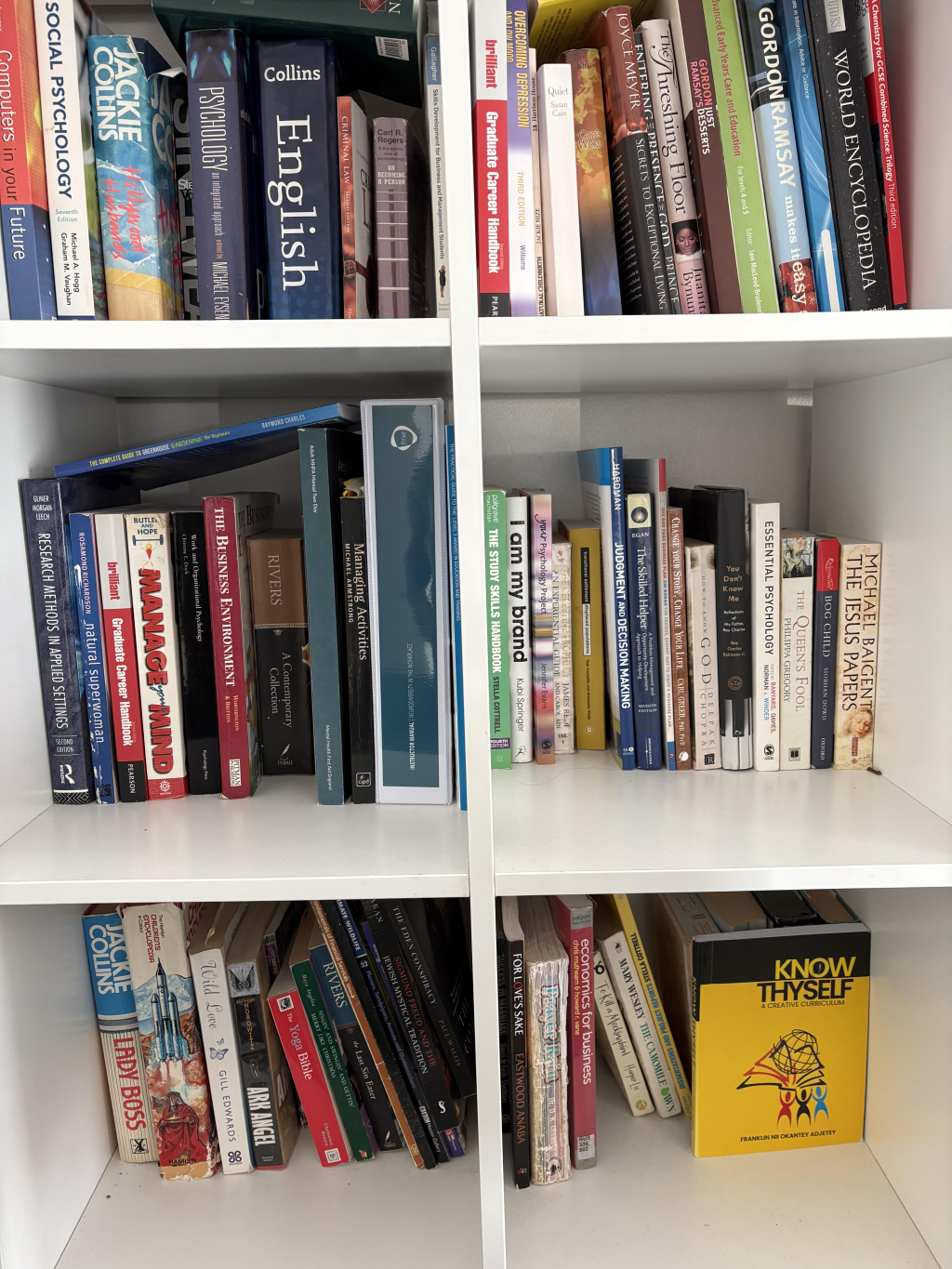
Create reading-friendly spaces at home, even if it’s just a small corner.
Support local authors and African literature, so stories reflect real experiences.
Start community reading groups to make reading social and enjoyable.
Use digital tools — eBooks, audiobooks, and online libraries make reading more accessible.
Read with children early and often, because habits formed young last a lifetime.
Reading is not just an academic exercise — it is a form of empowerment, healing, and transformation. For the African community, it is a bridge between past and future, between struggle and success, between silence and voice. When we read, we grow. When we grow, we uplift our families, our communities, and our continent.
By Emma Harding