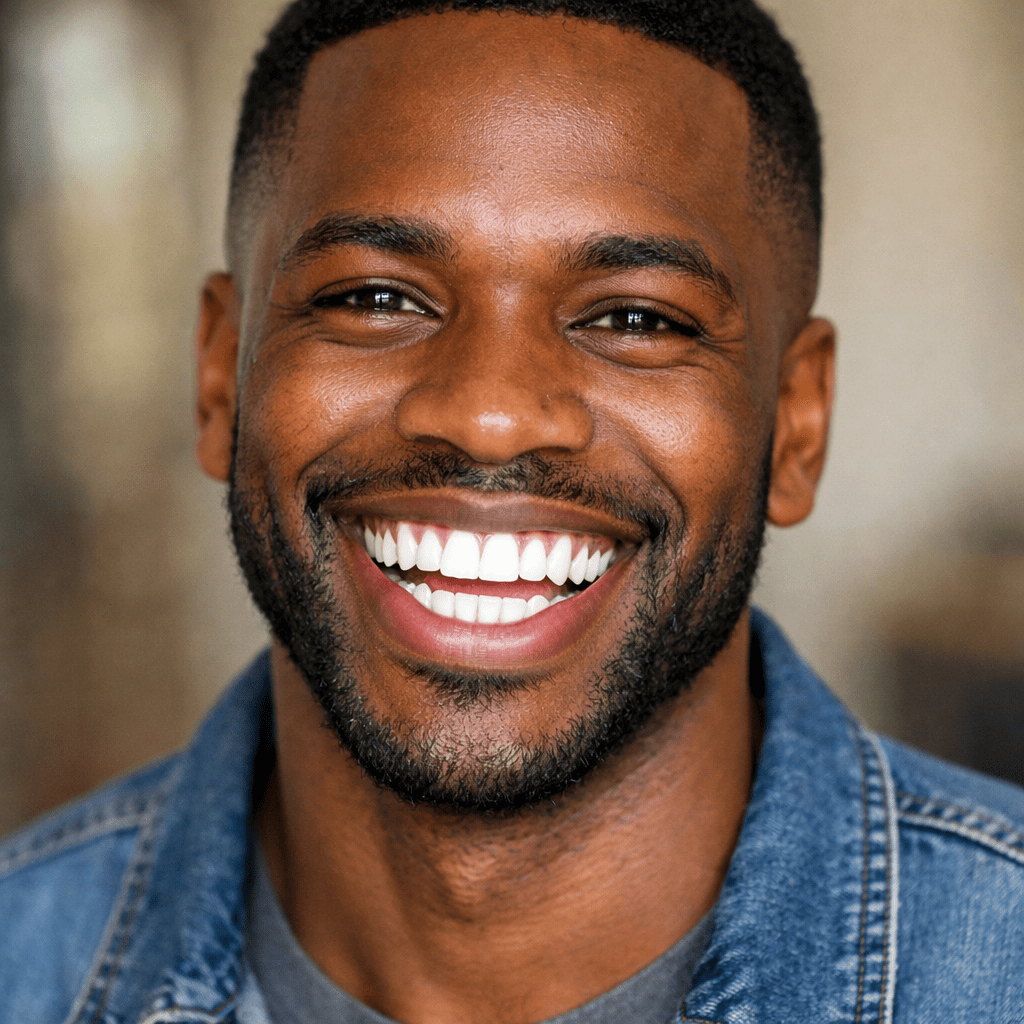
A healthy smile is more than bright teeth — it is confidence, culture, and wellbeing. Our smiles are part of how we greet, connect, celebrate, and express ourselves. Yet dental health is often overlooked, even though it plays a powerful role in our overall health and quality of life.
For Afroglobal people, taking care of our teeth is not just a personal habit — it is an act of empowerment, self‑care, and long‑term health protection.
Here’s why.
Our Smile Is Part of Our Identity
In many African and diaspora cultures, a smile is a symbol of:
- warmth
- hospitality
- confidence
- beauty
- connection
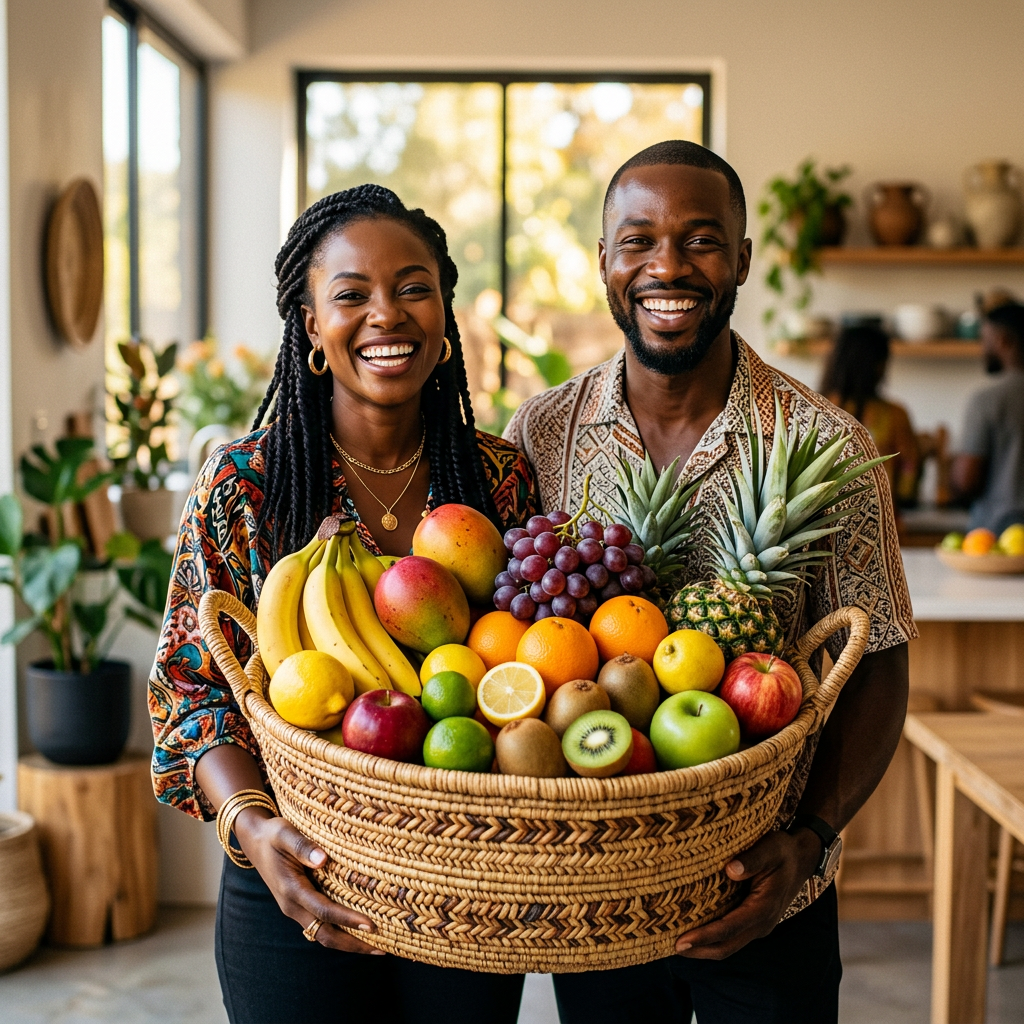
Whether it’s the joyful laughter at family gatherings, the bright smiles in our music videos, or the pride we carry into professional spaces, our teeth are part of how we show up in the world.
Healthy teeth help us speak clearly, eat comfortably, and express ourselves freely.
A strong smile supports a strong identity.
Dental Health Is Linked to Whole‑Body Health
Good teeth hygiene isn’t just about avoiding cavities — it supports overall wellbeing.
Research shows that poor oral hygiene can be linked to:
- gum problems
- discomfort when eating
- bad breath
- reduced confidence
- difficulties in school or work due to pain
For Afroglobal communities, where health inequalities can sometimes limit access to care, prevention becomes even more important. Simple daily habits can protect long‑term health.
Cultural Foods Are Delicious — But Some Need Extra Care
Afroglobal cuisine is rich, flavourful, and diverse. From:
- jollof rice
- plantain
- fufu and soups
- patties
- sweet breads
- tropical fruits
- stews and sauces
Our foods bring joy and connection. But some traditional dishes are starchy, sticky, or sweet — which means they can cling to teeth if not cleaned properly.
This doesn’t mean avoiding our food.
It simply means being aware and taking care after meals.
A Healthy Smile Builds Confidence in Afroglobal Space
Representation matters — and so does how we feel about ourselves.
A confident smile can:
- boost self‑esteem
- support public speaking
- improve social interactions
- help in professional settings
- encourage young people to express themselves
For Afroglobal children and teens, seeing adults model good hygiene builds lifelong habits.
Access to Dental Care Isn’t Equal — So Prevention Is Power
Across the diaspora, many Afroglobal families face:
- high dental costs
- long waiting lists
- limited access to culturally aware practitioners
This makes prevention one of the strongest tools we have.
Daily habits like brushing, rinsing after meals, and regular check‑ups (when available) help reduce the need for emergency care later.
Teaching the Next Generation
Children learn by watching.
When Afroglobal parents and caregivers model good teeth hygiene, it becomes part of family culture.
Simple routines — brushing together, celebrating clean teeth, choosing healthier snacks — help children build habits that protect them for life.
A healthy smile is a gift we pass down.
A Strong Smile Supports a Strong Future
Good teeth hygiene helps us:
- speak clearly
- eat comfortably
- avoid unnecessary pain
- feel confident
- show up fully in our communities
For Afroglobal people building careers, families, and futures across the world, dental health is part of the foundation of wellbeing.
Our Smile Is Power
Teeth hygiene is not just a routine — it is self‑care, cultural pride, and long‑term health protection.
A healthy smile helps us express joy, confidence, and identity wherever we go.
As Afroglobal people, our voices, our presence, and our smiles matter.
Taking care of our teeth is one more way we honour ourselves, our heritage, and the generations coming after us.
By Fiona Lewis