Discipline is one of the most powerful predictors of success. It shapes how we work, how we grow, and how we show up for ourselves and our communities. But for people of African descent, discipline is more than a personal habit — it’s deeply connected to culture, identity, and collective strength.
As we move through 2026, building discipline requires a blend of scientific insight, cultural grounding, and practical strategies that reflect the lived experiences of Afroglobal people across the world. This guide brings together empirical research and African‑centered psychology to help you build discipline in a way that feels authentic, sustainable, and empowering.
1. Rethink Discipline Through an Afroglobal‑Centered Lens
Western psychology often treats discipline as a purely individual trait — something you build through willpower alone. But Afroglobal‑centered psychology tells a different story.
Research from Black psychologists shows that people of African descent thrive when discipline is connected to:
- Cultural identity
- Community support
- Shared purpose
- Collective responsibility
In other words, discipline grows stronger when it’s rooted in who you are and where you come from.
2. Connect Your Goals to Identity and Purpose
Studies in African and African American psychology highlight that meaning, belonging, and cultural memory significantly boost motivation. When your goals reflect your identity, you’re more likely to stay consistent.
Try reframing your goals like this:
- “I’m building discipline to strengthen my legacy.”
- “My consistency supports my family and community.”
- “My ancestors endured far more — I can push through this moment.”
Purpose fuels discipline. Identity sustains it.
3. Use Community Accountability — A Proven Strength
Across African cultures, community is a powerful force for shaping behavior. Research shows that collective accountability improves self‑regulation and long‑term commitment.
In 2026, build discipline by surrounding yourself with people who support your growth:
- Join accountability groups
- Partner with a “discipline buddy”
- Share your progress with trusted friends
- Participate in community‑based learning circles
You don’t have to do it alone — and you’re not meant to.
4. Build Rituals and Routines That Reflect Your Culture
Rituals have always been central to African societies — from morning libations to communal gatherings. Modern psychology now confirms what our ancestors already knew: rituals strengthen consistency.
Create simple daily or weekly rituals such as:
- Morning grounding (prayer, meditation, or ancestral reflection)
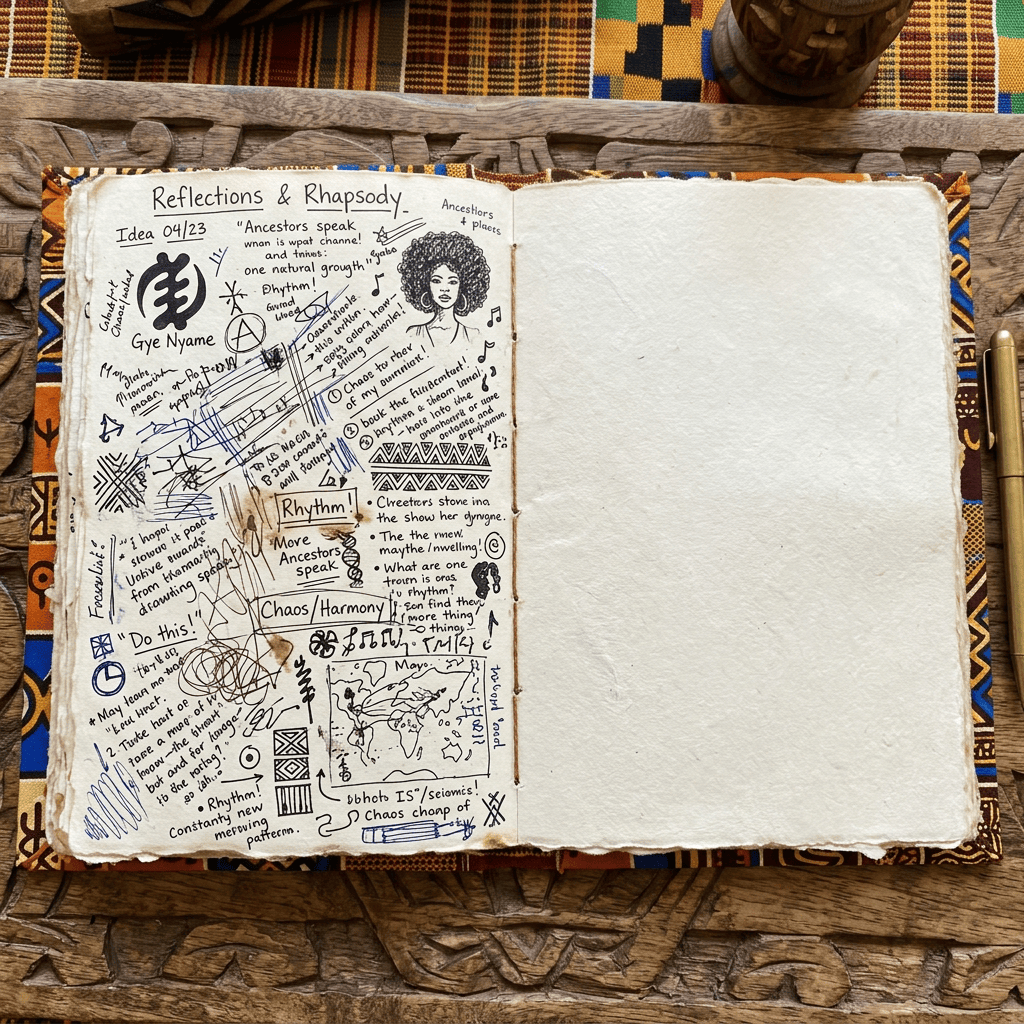
- Journaling with affirmations
- Working to rhythms or instrumental music
- Weekly check‑ins with your community
Ritual turns discipline into something meaningful, not mechanical.
5. Strengthen Emotional Resilience Through Culturally Rooted Healing
Discipline isn’t just about habits — it’s about emotional regulation. Afroglobal‑centered psychology emphasizes healing from stress, trauma, and internalized oppression as essential for self‑control.
Support your emotional discipline by:
- Practicing mindfulness
- Using storytelling or journaling to process emotions
- Repeating affirmations grounded in identity
- Seeking culturally competent therapy when needed
A healed mind is a disciplined mind.
6. Set Goals That Serve Both You and Your Community
Research shows that people of African descent are more motivated when their goals reflect both personal ambition and collective uplift.
When setting goals, ask:
- How does this help me grow?
- How does this support my family, community, or future generations?
This dual focus creates deeper motivation and longer‑lasting discipline.
7. Use Evidence‑Based Strategies — Adapted for Your Culture
Behavioral science offers powerful tools for building discipline, but they work best when culturally adapted.
Try strategies like:
- Habit stacking: Attach a new habit to an existing one
- Environmental design: Set up your space to support your goals
- Implementation intentions: “If X happens, I will do Y”
- Visual tracking: Use charts, beads, or African symbols to mark progress
- Reward systems: Celebrate milestones with meaningful cultural experiences
Science + culture = sustainable discipline.
Final Thoughts: Discipline in 2026 Is Both Personal and Collective
For Afroglobal people, discipline is not just about self‑control — it’s about identity, community, healing, and legacy. When you combine empirical research with African‑centered wisdom, you create a form of discipline that is:
- Culturally aligned
- Emotionally grounded
- Purpose‑driven
- Community supported
- Sustainable
In 2026, discipline becomes more than a habit. It becomes a pathway to liberation, excellence, and generational impact.
By Fiona Lewis