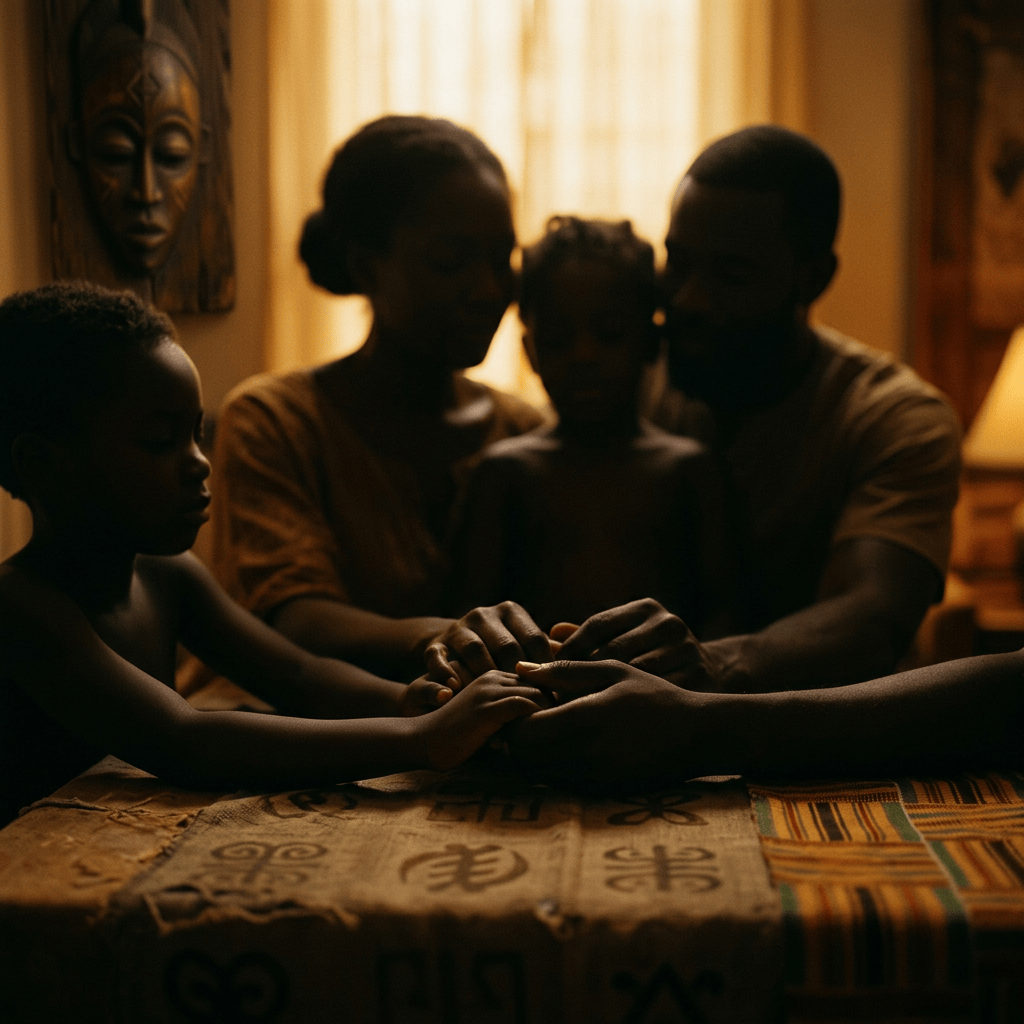
Many Afroglobal health practitioners, psychologists, and community leaders agree that a large percentage of physical and emotional illnesses in our community are deeply connected to unresolved emotional pain, not because we are weak, but because we have been conditioned to carry more than any human body was designed to hold.
The Cultural Reality: We Carry More Than We Show
In Afroglobal cultures, emotional pain is often hidden behind:
“Be strong.”
“Don’t let people see you cry.”
“Life is hard, get on with it.”
“We don’t talk about that in this house.”
“Pray about it and move on.”
These messages were born from survival, but survival habits can become health hazards when they silence emotional truth. Many of us grew up in environments where:
Trauma was normalised
Stress was constant
Parents were overwhelmed
Communities were under pressure
Racism and inequality were daily realities
Silence was seen as strength
So we learned to push through, even when our hearts were breaking.
But the body remembers what the mouth refuses to speak.
The Science Meets the Culture
Research in trauma, stress physiology, and psychoneuroimmunology shows that emotional pain directly affects physical health. In the Afroglobal community, this is intensified by:
Racial stress
Immigration trauma
Generational poverty
Cultural expectations
Family responsibilities
Community pressure
Faith-based silence
Historical wounds
These factors create chronic emotional weight that shows up as:
High blood pressure
Heart disease
Diabetes
Chronic pain
Anxiety
Depression
Insomnia
Autoimmune disorders
Fatigue
Digestive issues
Not because we are broken, but because we are carrying too much.
Generational Trauma: The Inherited Burden
Many Afroglobal families carry trauma that didn’t start with them:
Colonialism
Slavery
Displacement
Migration
Loss of homeland
Systemic racism
Economic instability
These experiences shape emotional patterns such as:
Overworking
Hyper-independence
Emotional suppression
Fear of vulnerability
Difficulty trusting
Carrying family burdens
Feeling responsible for everyone
This emotional inheritance becomes physical stress, healing isn’t just personal, it’s generational.
Faith and Emotional Health
Faith is a cornerstone of Afroglobal identity, but sometimes, faith communities unintentionally teach emotional avoidance:
“Just pray about it.”
“Don’t question God.”
“You’re too blessed to be stressed.”
Prayer is powerful. But prayer and emotional processing must work together, not in place of each other. God heals, but He also calls us to confront, release, and transform.
Why Emotional Healing Is Critical for Afroglobal Wellness
When Afroglobal people begin healing emotionally:
Blood pressure stabilises
Sleep improves
Anxiety decreases
Depression lifts
Relationships strengthen
Confidence rises
Identity becomes clearer
Generational cycles break
The body finally rests
Because emotional healing is not just therapy, it is liberation.
How Afroglobal People Can Begin Releasing Emotional Baggage;
Acknowledge the weight – naming the pain is the first act of freedom.
Break the silence – our community heals through conversation.
Heal childhood wounds – many adult struggles began in childhood.
Release generational expectations – you don’t have to carry everything.
Practice emotional honesty – vulnerability is strength, not weakness.
Set boundaries – protection is part of healing.
Seek culturally competent support, healing feels safer when the healer understands your world.
Integrate faith with emotional work, God works through both prayer and process.
The Afroglobal community is powerful, but even power needs rest. Emotional baggage is not weakness, it is the unspoken story of a people who have carried too much for too long. Healing emotionally is how we:
reclaim our health
restore our joy
strengthen our families
break generational cycles
and build a future where our children carry less than we did
The truth is simple: When Afroglobal people heal emotionally, we heal generations.
By Fiona Lewis