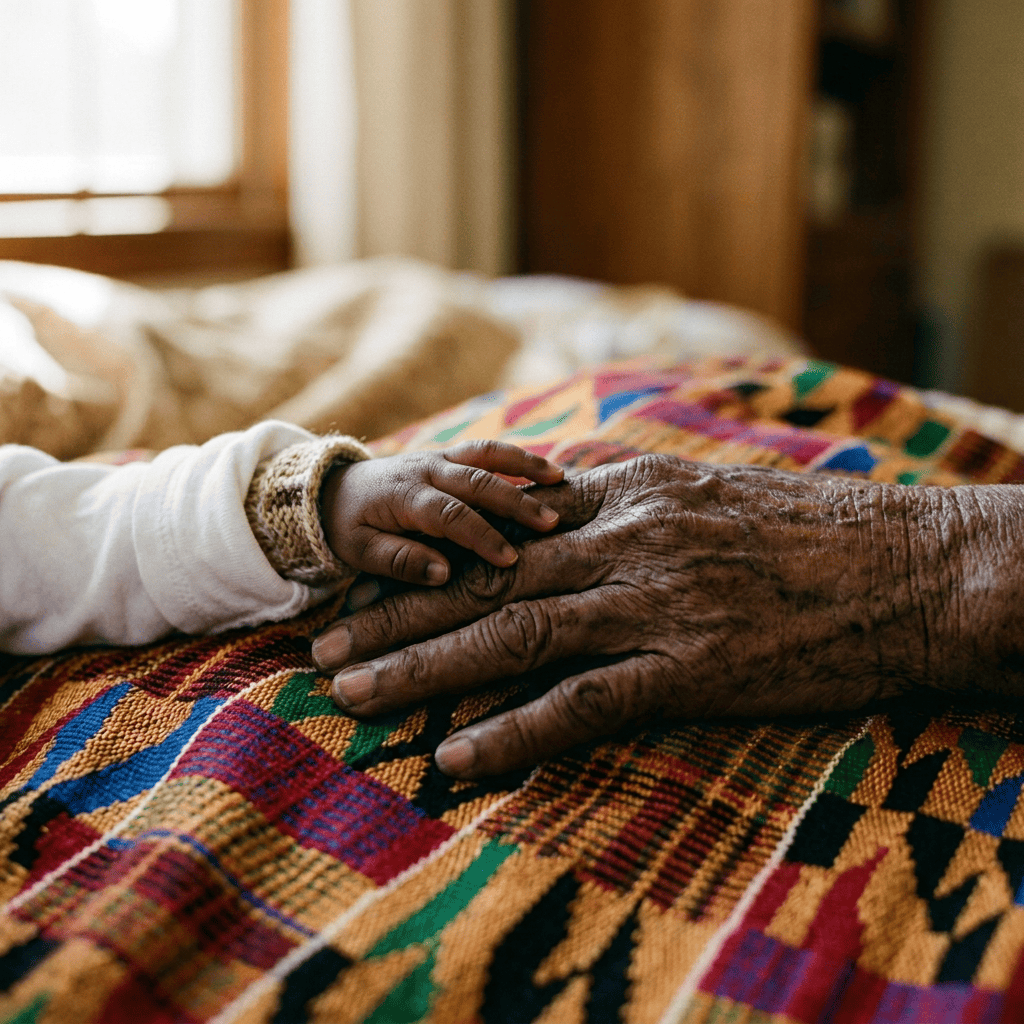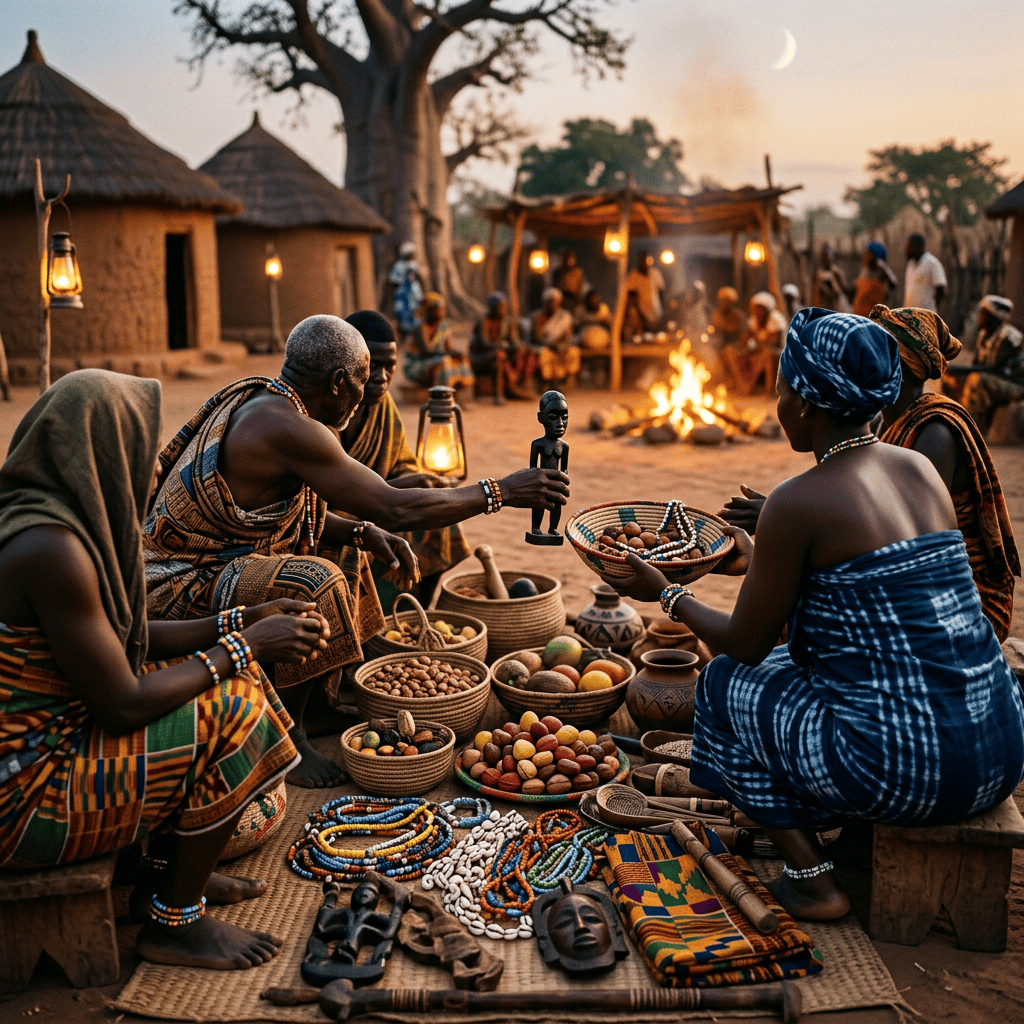
Gift‑giving is one of humanity’s oldest traditions, a universal expression of connection, gratitude, and belonging. Across continents and centuries, people have exchanged gifts to show affection, build alliances, honour milestones, and strengthen community ties, but within African and Afroglobal cultures, gift‑giving carries a depth that goes far beyond the physical object. It is a cultural language, a spiritual gesture, and a social bond that reflects identity, heritage, and collective values.
The Ancient Origins of Gift‑Giving
Anthropologists trace gift‑giving back to early human societies, where exchanging items served several purposes:
Strengthening social bonds within tribes
Showing loyalty and trust
Marking rites of passage such as birth, adulthood, or marriage
Honouring ancestors or spiritual forces
Maintaining peace between communities
In these early cultures, gifts were symbolic rather than material. A carved object, a woven cloth, a shared meal, or a crafted tool held meaning because of the intention behind it. The value was emotional, spiritual, and communal, not financial.
African societies preserved this principle deeply, embedding gift‑giving into ceremonies, storytelling, spiritual practice, and everyday life.
Gift‑Giving in African Cultures: A Language of Connection
Across Africa, gift‑giving is rooted in relationship, respect, and community connection. It is rarely transactional, instead it expresses:
Ubuntu – “I am because we are,” the belief in shared humanity
Kinship – strengthening family and clan ties
Blessing – offering good fortune, protection, or spiritual covering
Honour – acknowledging elders, leaders, or guests
Continuity – passing culture, memory, and identity to the next generation
Common African Gift Traditions
Kola nuts offered to guests as a symbol of hospitality and peace
Cloth (kente, ankara, shweshwe) gifted during milestones to represent identity and heritage
Beads symbolising status, beauty, spirituality, or lineage
Food shared during celebrations, mourning, or community gatherings
Handcrafted items representing skill, care, and cultural pride
In many African cultures, the act of giving is more important than the item itself. A gift is a message: “I see you, I honour you, you belong.”
Gift‑Giving in Afroglobal Communities
As African people migrated across the world, through diaspora, travel, and global movement, they carried their gift‑giving traditions with them. These practices evolved, blended with new cultures, and created a rich Afroglobal expression of generosity and connection.
Key Afroglobal Gift‑Giving Themes
Community support – gifting food, money, or time to help others
Celebration of milestones – baby showers, graduations, weddings, housewarmings
Cultural preservation – gifting African fabrics, books, art, or jewellery
Diaspora bonding – exchanging gifts that reconnect people to their roots
Mutual upliftment – giving opportunities, knowledge, or networks
In Afroglobal spaces, gifts can often carry cultural symbolism: a piece of home, a reminder of heritage, or a gesture of unity across borders.
Gift‑Giving as a Social and Spiritual Practice
In African and Afroglobal cultures, gift‑giving is not just social, it can also be spiritual as;
Gifts can honour ancestors.
Gifts can bless new beginnings.
Gifts can protect relationships.
Gifts can strengthen community.
Gifts can express gratitude to God, elders, and family.
Even modern celebrations such as birthdays, Christmas, Eid and weddings can carry echoes of ancient African traditions of communal sharing and spiritual blessing.
Why Gift‑Giving Matters Today
In a world that often feels individualistic, African and Afroglobal gift‑giving reminds us of something powerful:
Generosity is a form of connection, connection is a form of healing and giving is a form of remembering who we are.
Gift‑giving keeps culture alive, it strengthens families, it builds community, it creates joy and it continues a legacy that has travelled across oceans and generations.
By Vivian Prempeh