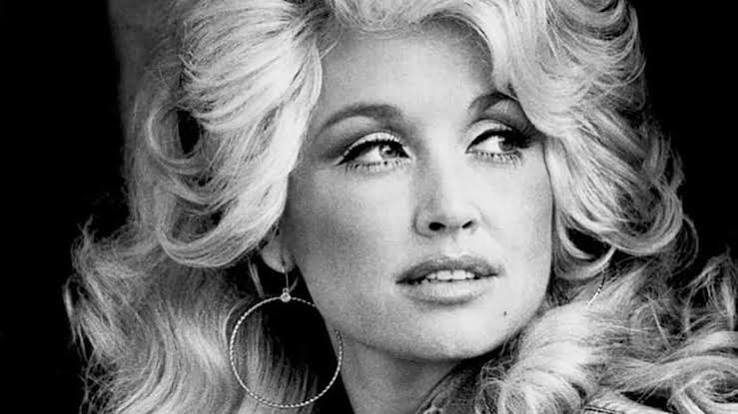
Dolly Parton’s name is often associated with country music, rhinestones, and Tennessee charm. but her influence stretches far beyond genre, geography, or culture. She was a singer, songwriter, actress, philanthropist, and cultural force whose work touched millions across the world, including the Afroglobal community in ways rarely discussed.
Her passing marked the end of an era, but her legacy continues to shine, especially in the communities she uplifted, supported, and inspired.
Her Achievements: A Career That Redefined Possibility
Dolly Parton’s achievements are legendary, and includes:
Over 3,000 songs written, including global classics
11 Grammy Awards
One of the most successful female songwriters in history
A business empire spanning music, film, publishing, and philanthropy
A cultural icon whose influence crossed racial, cultural, and generational lines
Her songwriting was her superpower, and one song in particular created a bridge between Dolly and the Afroglobal world.
“I Will Always Love You”, The Song That Connected Her to Black Excellence
When Dolly wrote “I Will Always Love You”, she had no idea it would become one of the most powerful songs in Black music history.
Whitney Houston’s 1992 rendition became:
One of the best‑selling singles of all time
A global anthem of love, loss, and power
A cultural moment deeply rooted in Black artistry
Dolly earned millions in royalties from Whitney’s version and she used a significant portion of that money to invest directly into Black communities in the U.S.
She used the royalties to build a Black‑owned business district in Nashville
Dolly publicly stated that she used Whitney’s royalties to invest in:
“A Black neighborhood in Nashville, I thought it was important.”
This included supporting:
Black‑owned businesses
Community development
Local economic empowerment
This act of solidarity is rarely highlighted, yet it represents a profound moment of cross‑cultural uplift.
Her Marriage & Personal Life: Love, Stability, and Mystery
Dolly married Carl Dean in 1966 and remained married to him for nearly 60 years. Their relationship was famously private, a quiet anchor behind her public brilliance. She had no biological children, but she became a maternal figure to millions. In many communities, especially among fans of color, she was affectionately called:
“Dolly Mama”
A symbol of warmth, generosity, and maternal energy.
Dolly Parton & the Afroglobal Community: A Quiet, Powerful Connection
Though Dolly wasn’t directly Afroglobal herself, her work and philanthropy created meaningful bridges.
1. Her music crossed racial lines
Black artists embraced her songwriting. Whitney Houston’s version of her song became a global Black cultural moment.
2. She invested in Black communities
Her Nashville investment supported Black entrepreneurship and community growth.
3. She embodied values celebrated in Afroglobal culture
Resilience
Creativity
Community uplift
Storytelling
Faith
Humility
4. She collaborated with and supported Black artists
Her respect for Whitney Houston was profound, she often said Whitney’s version was the greatest vocal performance she had ever heard.
5. She modelled cross‑cultural solidarity
Dolly used her platform, wealth, and influence to uplift communities outside her own, a core Afroglobal value.
Why Dolly Matters to the Afroglobal Story
Dolly Parton’s legacy resonates with the Afroglobal community because she represents:
A woman who used her success to uplift others
Especially marginalized communities.
A creative force whose work empowered Black excellence
Whitney’s version of her song became a global symbol of Black vocal mastery.
A philanthropist who invested in Black futures
Her Nashville investment is a blueprint for cross‑cultural allyship.
A cultural icon who transcended boundaries
Her music, storytelling, and generosity reached across continents.
A reminder that global solidarity can come from unexpected places
Her kindness was universal, not limited by race, culture, or background.
Her Passing: A Legacy That Lives On
Dolly’s death was felt worldwide. But her legacy, especially her acts of generosity, continues to ripple through communities, including Afroglobal spaces.
She leaves behind:
A musical legacy
A philanthropic legacy
A cultural legacy
A legacy of cross‑cultural love
Her story reminds us that global icons can uplift Afroglobal futures, even without sharing the same heritage.
By Fiona Lewis