Music is more than entertainment. It is identity, healing, storytelling, resistance, celebration, and connection. It’s woven into our history, our rituals, our joy, and even our pain. But beyond culture, music also affects us at a biological and psychological level, often before we consciously realise what’s happening.
Science is finally catching up to what our communities have always known: music moves us, literally, emotionally, spiritually, and it does so with power.
Your Body Responds Before Your Mind Does
Long before you think “This song is calming,” your body has already reacted.
Research shows that calming music can lower cortisol, the hormone most associated with stress, and reduce heart rate and blood pressure. This is why one familiar track, maybe a worship song your mother played, a reggae classic from your childhood, or a soft Afrobeats melody,can settle your nerves faster than trying to talk yourself down.
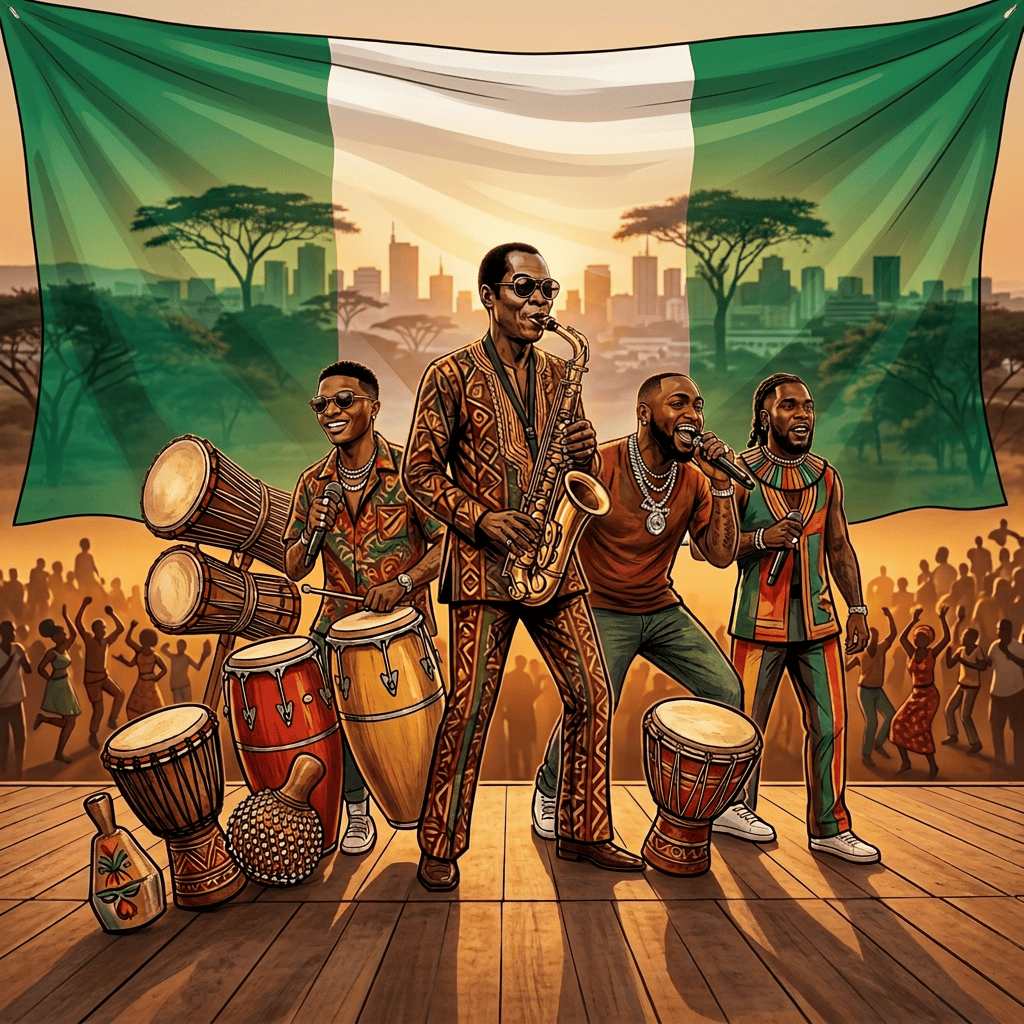
In Afroglobal communities, this biological response is deeply tied to cultural memory. The sound of drums, harmonies, chants, and rhythms often signals safety, belonging, and home. Our bodies recognise these sounds before our minds even process them.
The Playlist You Move To
Tempo has a direct effect on energy and motivation. Faster beats lift mood, increase stamina, and make effort feel lighter. This is why upbeat playlists are essential in Afroglobal life:
Cleaning the house? You’re putting on dancehall, amapiano, or soca.
Gym session? Afrobeats, hip-hop, or Afrohouse.
Need motivation? You reach for something with bounce, bass, and attitude.
Research consistently shows that fasttempo music makes tasks feel less demanding and boosts motivation. But our communities have known this for generations. rhythm has always been our fuel. Movement and music are inseparable in Afroglobal culture.
Music and Emotional Memory
Music is stored differently in the brain compared to other types of memory. That’s why one song can instantly transport you back to:
A childhood celebration
A church service
A street festival
A moment of heartbreak
A time of joy
A place you haven’t visited in years
This emotional time travel is especially powerful in Afroglobal communities, where music carries ancestral memory, migration stories, and cultural identity.
It’s also why music therapy is increasingly used to support emotional wellbeing. For Afroglobal elders, hearing familiar cultural music can unlock memories that seemed unreachable. For younger generations, music becomes a grounding force in a fast-paced, often stressful world.
Winding Down With Sound
Slowtempo music,generally around 60 to 80 beats per minute, has been linked to calmer moods and better sleep quality. It helps the body shift out of an alert state and into relaxation.
But preferences matter. What relaxes one person might irritate another. In the Afroglobal community, “calming music” might be:
Soft R&B
Smooth jazz
Worship music
Soul
Instrumental Afrobeats
Classic reggae
The key is experimenting until you find what works for you. Your nighttime playlist should feel like a gentle exhale.
Building Music Into Your Routine
Music isn’t a cureall, and its effects vary from person to person. But choosing music with intention, calming tracks to unwind, upbeat ones to lift your spirits, can be a simple, enjoyable way to support your mood day to day.
In Afroglobal communities, music already plays a central role in daily life. We use it to:
Start the morning with energy
Get through work
Connect socially
Celebrate milestones
Heal emotionally
Strengthen cultural identity
By being intentional with your playlists, you turn something you already love into a wellbeing tool.
Why This Matters for the Afroglobal Community
Music has always been our language, a way to communicate when words weren’t enough, a way to survive when life was heavy, a way to celebrate when joy overflowed. It has carried our stories across oceans, generations, and cultures.
Understanding the science behind music doesn’t replace its cultural power, it simply confirms what we’ve always known:
Music heals, Music motivates, Music remembers, Music connects. Music transforms; and in the Afroglobal community, music continues to be one of our strongest tools for emotional resilience, cultural pride, and everyday wellbeing.
By George Tetteh
ReplyForward
Add reaction