Obuntu, the African philosophy of shared humanity is the living heartbeat behind the Rastafarian phrase “I and I,”the Christian teaching “love thy neighbour as thyself,” and the universal spiritual truth that we rise together or not at all. Its origins stretch deep into African communal life, and its significance today is nothing less than a blueprint for healing a fractured world.
What Obuntu Really Means
Obuntu (often spelled Ubuntu) is more than a word. It is a worldview, a way of being, a moral compass. At its core:
“A person is a person through other persons.”
It teaches that:
- We are interconnected, not isolated
- My wellbeing is tied to your wellbeing
- Humanity is a shared inheritance, not an individual possession
Obuntu is the recognition that the divine spark in me is the same spark in you.
Obuntu and the Rastafarian “I and I”
Rastafari expresses the same truth through the phrase “I and I.”
“I and I” means:
- There is no separation between me, you, and the Most High
- The divine presence lives within all people
- When I speak to you, I speak to another expression of the same sacred life
Obuntu and “I and I” are mirrors of each other. Both reject the illusion of division. Both insist that dignity is universal. Both remind us that the human family is one.
Linked to Jesus’ Teaching: “Love Thy Neighbour as Thyself”
Jesus’ instruction is not a moral suggestion, it is a spiritual law.
He did not say “love your neighbour as much as yourself.”
He said: Love your neighbour as yourself.
Because in the deepest spiritual sense, your neighbour is yourself.
This is Obuntu.
This is “I and I.”
This is the recognition that the divine breath animating you is the same breath animating me.
Other Spiritual Traditions Carry the Same Truth
Across cultures, the same principle appears:
- Buddhism — Interbeing: all life is interconnected
- Hinduism — Atman is Brahman: the soul in you is the soul in me
- Islam — The Prophet teaches that one cannot be faithful while harming another
- Judaism — Tikkun Olam: repairing the world together
- Indigenous traditions — community, reciprocity, and harmony with all beings
Obuntu is not an isolated African idea.
It is a universal spiritual frequency that humanity keeps rediscovering.
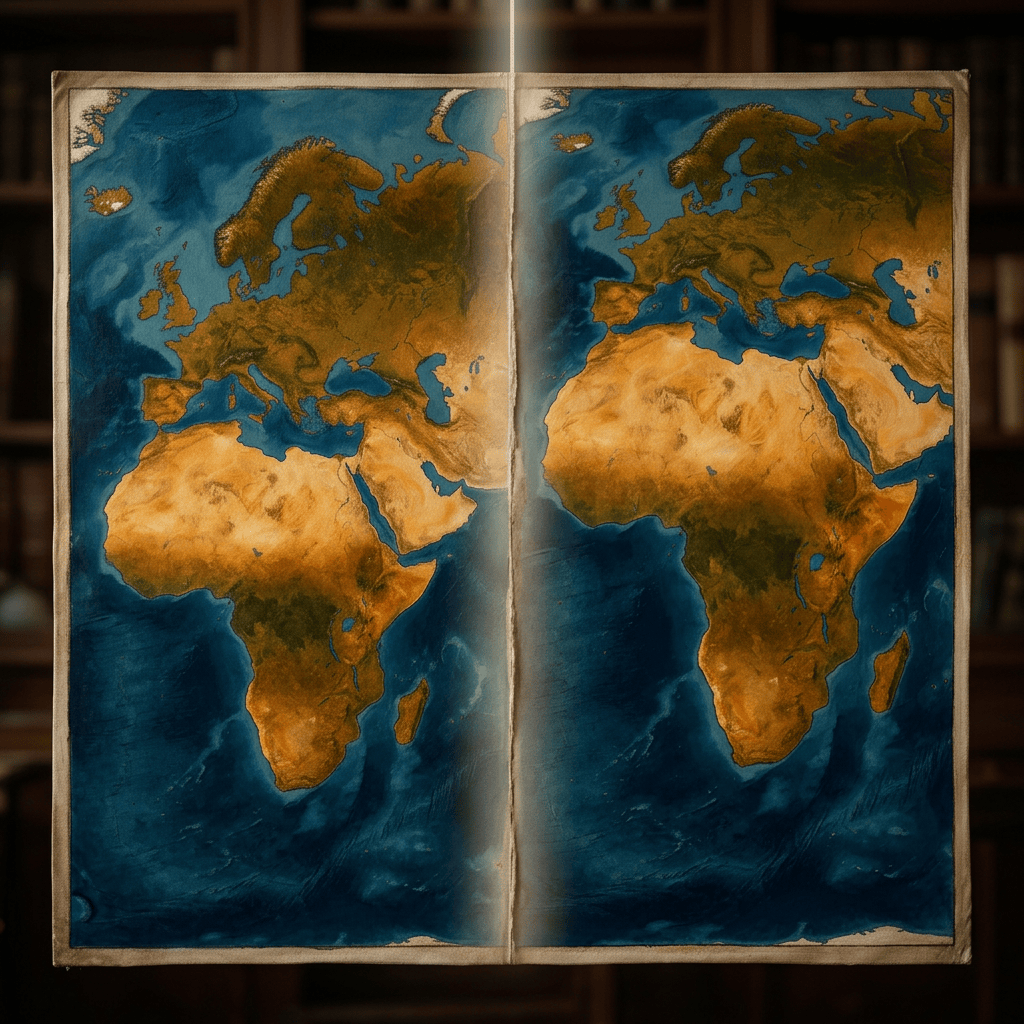
Where Obuntu Originated
Obuntu grew from the social fabric of many African societies long before written history. It emerged from:
- Communal living
- Shared labour and shared harvests
- Collective child‑rearing
- Consensus decision‑making
- Mutual protection and mutual responsibility
In these societies, survival depended on cooperation.
But more importantly, identity depended on relationship.
You were not defined by what you owned.
You were defined by how you contributed to the whole.
Obuntu was the moral architecture of African civilisation.
Why Obuntu Matters Today
1A Cure for Modern Isolation
We live in a world where people feel more connected digitally but more alone spiritually. Obuntu reminds us that we are not meant to walk alone.
A Pathway to Social Healing
Racism, inequality, and division thrive when we forget our shared humanity. Obuntu is the antidote, a call to see the divine in every face.
A Guide for Leadership and Community Building
Obuntu teaches leaders to serve, not dominate.
It teaches communities to uplift, not compete.
A Global Philosophy for a Global Era
As the world becomes more interconnected, Obuntu offers a moral foundation for cooperation, justice, and peace.
The Significance for the Afroglobal Community
For people of African descent worldwide, Obuntu is not just philosophy, it is heritage. It reconnects the diaspora to ancestral wisdom that predates colonialism, capitalism, and fragmentation.
It reminds us that:
- We are stronger together
- Our liberation is collective
- Our identity is communal
- Our spirituality is relational
Obuntu is a call to rebuild the global African family with compassion, unity, and shared purpose.
The World Needs Obuntu Now
Obuntu is the ancient African truth that humanity is one body with many expressions.
It is the Rastafarian truth of “I and I.”
It is the Christian truth of loving your neighbour as yourself.
It is the universal truth found in every spiritual tradition.
In a world hungry for connection, justice, and meaning, Obuntu is not just relevant, it is essential.
By Michael Frazer