
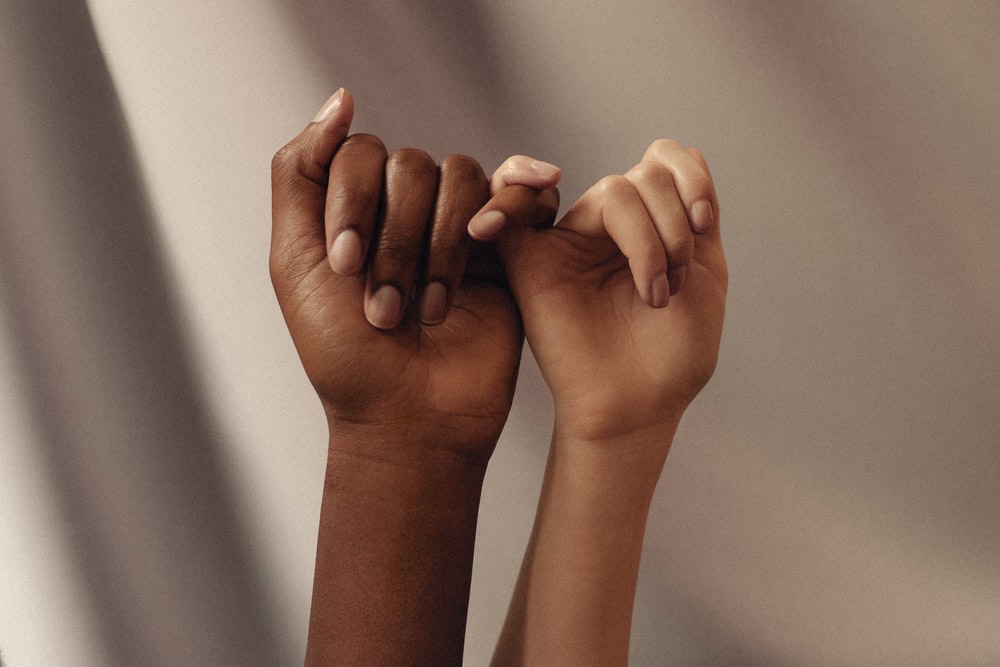
Luck has long been seen as a mysterious force—something bestowed by fate or fortune. Yet modern research suggests that luck is less about magic and more about mindset, behavior, and probability. Psychologist Richard Wiseman, in his landmark studies on luck, found that people who consider themselves “lucky” share common traits: they are open to new experiences, notice opportunities, and maintain resilient optimism. In other words, luck is often the result of how we interact with the world, not just random chance.
What Science Says About Luck
- Probability and randomness: Events like coin flips or lotteries are governed by chance, but our perception of luck comes from how we interpret these outcomes.
- Mindset matters: Wiseman’s research showed that self-described lucky people are more extroverted, open-minded, and less anxious. These traits help them spot opportunities others miss.
- Networks and exposure: Sociological studies highlight that diverse social connections increase the likelihood of encountering “lucky breaks,” whether in careers, relationships, or creative pursuits.
How to Cultivate Luck
- Say yes to opportunities: Even small chances can lead to unexpected breakthroughs.
- Build wide networks: The more diverse your connections, the greater your exposure to chance encounters.
- Stay optimistic: Optimism fuels persistence, which increases the odds of eventual success.
- Prepare consistently: Skills, savings, and resilience make you ready when opportunity knocks.
- Notice coincidences: Train yourself to see patterns and possibilities in unexpected events.
Luck and the AfroGlobal Community
For the AfroGlobal community, the science of luck resonates deeply. Historically, systemic barriers have limited access to resources and opportunities. Yet resilience, creativity, and collective strength have often transformed adversity into triumph. What looks like luck is often the product of preparation, innovation, and community support.
- Resilience as readiness: Generations of overcoming challenges have built adaptability—a key ingredient in turning chance into opportunity.
- Community networks: Churches, grassroots organizations, and cultural groups amplify opportunities, creating shared pathways to success.
- Creativity as transformation: From music and art to entrepreneurship, Black culture has consistently turned limited resources into global influence.
The Takeaway
Luck is not about waiting for miracles—it’s about creating conditions where chance can work in your favor. For the AfroGlobal community, this means leaning into resilience, building networks, and embracing creativity. By combining science with spirit, we can redefine luck not as something that happens to us, but as something we actively cultivate.
By Emma Harding


 Your Magazine
Leave a comment