
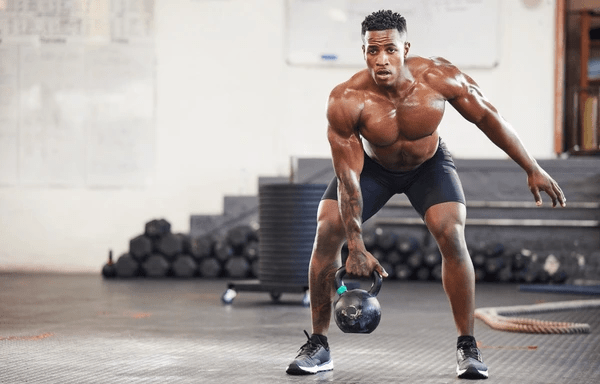
Exercise strengthens every community, but within the Afroglobal world it carries a deeper meaning. Movement has always been part of Afroglobal culture, from dance to sport to everyday physical labour. Today, exercise is not just about fitness; it is about reclaiming health, building resilience, and breaking cycles shaped by history, environment, and inequality.
Exercise supports physical, emotional, and cultural wellbeing. For Afroglobal people, it also plays a role in addressing health disparities that disproportionately affect Black communities worldwide.
Regular movement helps reduce the risk of conditions that are more common in Afroglobal populations, such as:
- High blood pressure
- Type 2 diabetes
- Heart disease
- Stroke
- Certain joint and mobility issues
These conditions are influenced by genetics, but also by stress, access to healthcare, and social environments. Exercise becomes a powerful tool for prevention and empowerment.
Physical Benefits That Strengthen the Body
Exercise supports the body in ways that are especially important for long-term health:
- Improved heart health through better circulation and lower blood pressure
- Stronger muscles and bones, reducing injury risk
- Better weight management and metabolic health
- Enhanced immune function
- More energy and stamina for daily life
For Afroglobal men and women balancing work, family, and community responsibilities, these benefits help sustain strength and vitality.
Mental and Emotional Benefits
Exercise is also a form of emotional healing. Afroglobal communities often carry generational stress linked to migration, discrimination, and social pressure. Movement helps release that tension.
Key mental health benefits include:
- Reduced stress and anxiety
- Improved mood through endorphins
- Better sleep
- Increased confidence and self-esteem
- A sense of control and grounding
For many, exercise becomes a safe space to breathe, reflect, and reconnect with themselves.
Cultural Connections Through Movement
Exercise in Afroglobal communities is not limited to gyms. It is woven into culture:
- Afrobeat and dancehall fitness classes
- Traditional African dance
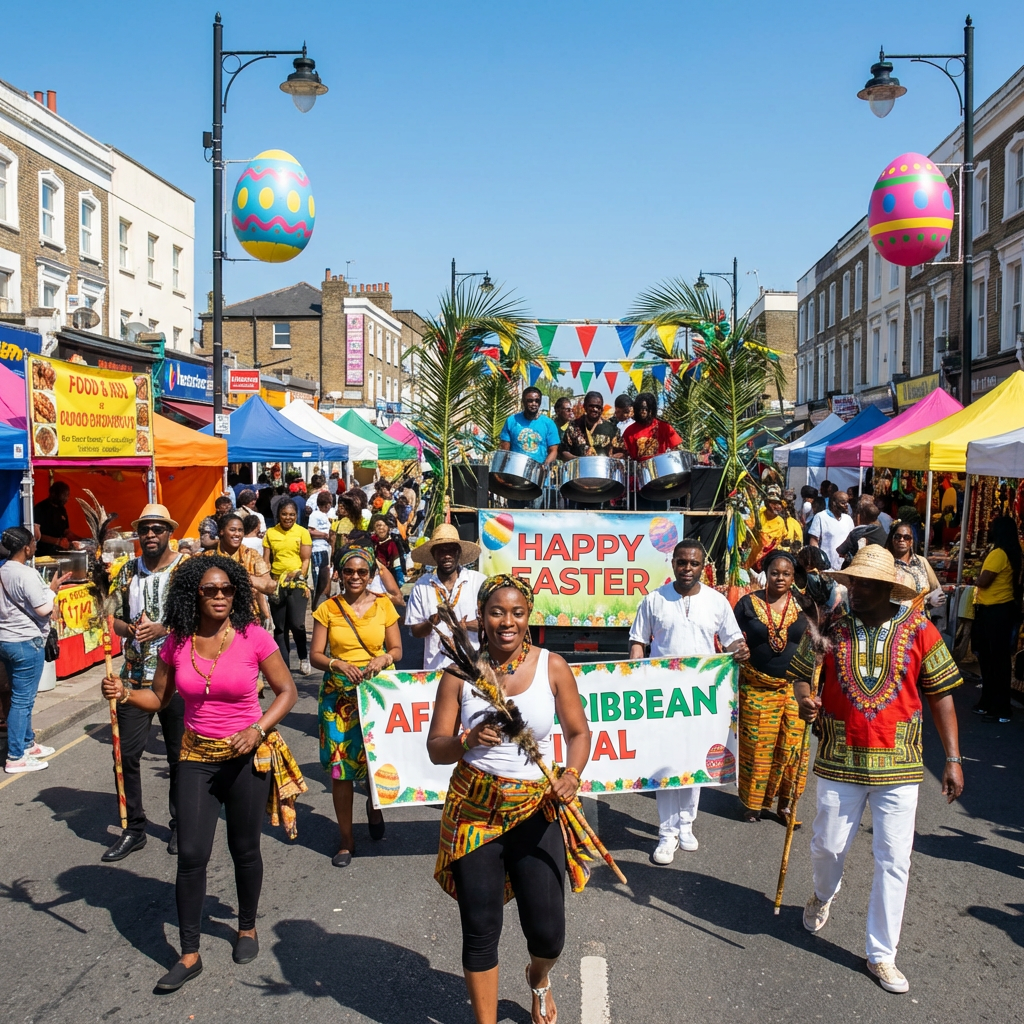
- Caribbean carnival movement
- Community football, basketball, and athletics
- Outdoor walking groups and hiking clubs
- Calisthenics and street workouts in urban areas
These forms of movement strengthen cultural identity while keeping the body active.
Community, Brotherhood, and Sisterhood
Exercise often brings Afroglobal people together. Group fitness creates:
- Support networks
- Safe spaces for men to express vulnerability
- Opportunities for mentorship
- Intergenerational bonding
- A sense of belonging
For Afroglobal men in particular, fitness spaces can become places to build discipline, confidence, and emotional resilience.
Barriers to Exercise—and How Communities Overcome Them
Afroglobal communities often face obstacles such as:
- Limited access to safe outdoor spaces
- Cost of gyms or sports programmes
- Time pressures from work and family
- Lack of representation in mainstream fitness spaces
- Cultural stigma around mental health and self-care
Despite these challenges, Afroglobal people continue to create their own solutions—community gyms, online fitness influencers, dance groups, and grassroots sports clubs.
A Vision for Afroglobal Wellness
Exercise is more than a routine—it is a pathway to:
- Healthier families
- Stronger communities
- Longer lives
- Cultural pride
- Emotional healing
- Generational change
When Afroglobal people move, they strengthen their present, and invest in their future.
By George Tetteh
 Your Magazine
Leave a comment