
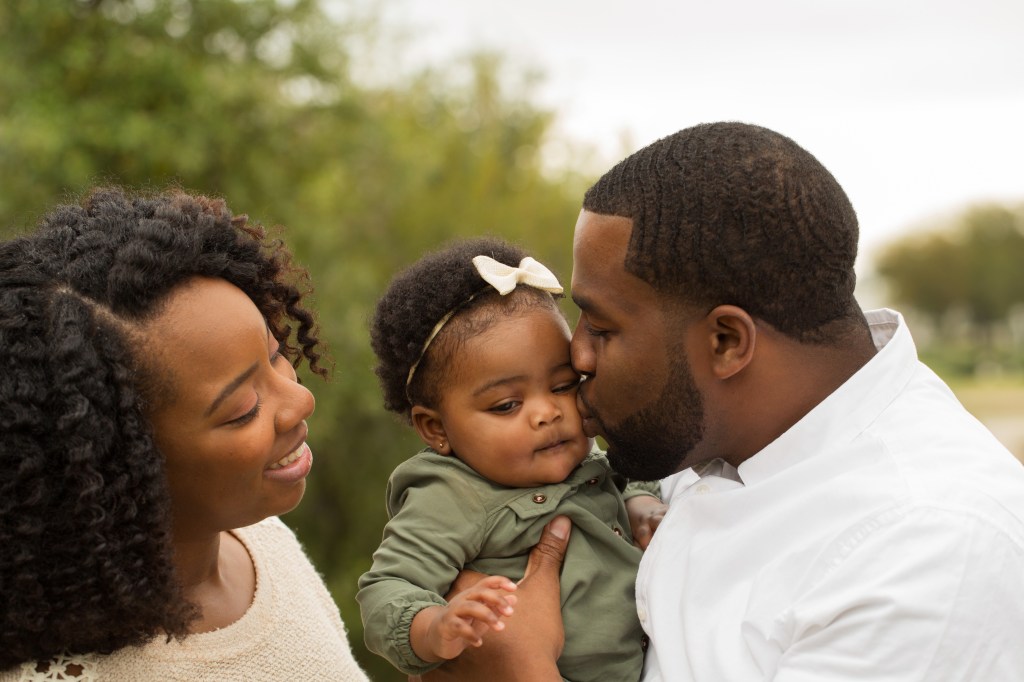
Legacy planning holds a unique and powerful meaning within the Afroglobal community. It is not only about wealth or assets—it is about identity, continuity, healing, and ensuring that future generations inherit more than struggle. Legacy, for Afroglobal people, is deeply tied to history, resilience, and the desire to build what many of our ancestors were denied the chance to secure.
Legacy planning for Afroglobal people goes beyond traditional financial planning. It includes:
- Preserving cultural identity and heritage
- Passing down stories, values, and traditions
- Protecting family stability and community strength
- Building generational wealth after centuries of systemic barriers
- Ensuring that children and grandchildren start further ahead than previous generations
Legacy becomes a bridge between the past and the future—a way of honouring ancestors while empowering descendants.
The Foundations of Afroglobal Legacy Planning
Legacy planning typically includes several interconnected layers. Each one strengthens the next.
1. Financial Legacy
This includes the practical tools that help families build and protect wealth:
- Wills and estate planning
- Life insurance
- Property ownership
- Savings and investment strategies
- Business succession planning
For many Afroglobal families, these steps are revolutionary—because they counter generations of economic exclusion.
2. Cultural and Ancestral Legacy
Afroglobal legacy planning also protects the things that cannot be measured in money:
- Language, names, and cultural practices
- Recipes, music, and spiritual traditions
- Family stories and migration histories
- Community values such as resilience, unity, and generosity
These elements help younger generations understand who they are and where they come from.
3. Educational Legacy
Education is one of the most powerful tools for generational uplift. Afroglobal legacy planning often includes:
- Supporting children’s education
- Encouraging skills development
- Funding scholarships or community programmes
- Passing down knowledge about navigating the world
Education becomes a long-term investment in the family’s future.
4. Emotional and Social Legacy
Healthy families create healthy futures. This part of legacy planning includes:
- Healing generational trauma
- Building strong family relationships
- Teaching emotional intelligence
- Creating safe spaces for identity and expression
This is especially important in Afroglobal communities where historical trauma still shapes present experiences.
Why Legacy Planning Matters Now
Afroglobal people across the world are entering a new era of empowerment. More people are:
- Buying homes
- Starting businesses
- Investing
- Reconnecting with African heritage
- Building global networks
Legacy planning ensures that these achievements don’t end with one generation—it ensures they multiply.
It also protects families from instability, conflict, and financial hardship when unexpected events occur.
Challenges Afroglobal Communities Often Face
Legacy planning is powerful, but it also comes with barriers:
- Lack of access to financial education
- Distrust of institutions due to historical injustices
- Cultural silence around money, death, and inheritance
- Limited representation in financial services
- Economic inequalities that make planning feel out of reach
Addressing these challenges requires community education, open conversations, and culturally informed support.
A Vision for Afroglobal Legacy
A strong legacy means:
- Children who inherit confidence, culture, and opportunity
- Families who grow stronger with each generation
- Communities that build wealth collectively
- A future where Afroglobal identity is celebrated, protected, and passed on with pride
Legacy planning is not just about what we leave behind—it’s about what we build today.
By Fiona Lewis


 Your Magazine
Leave a comment