
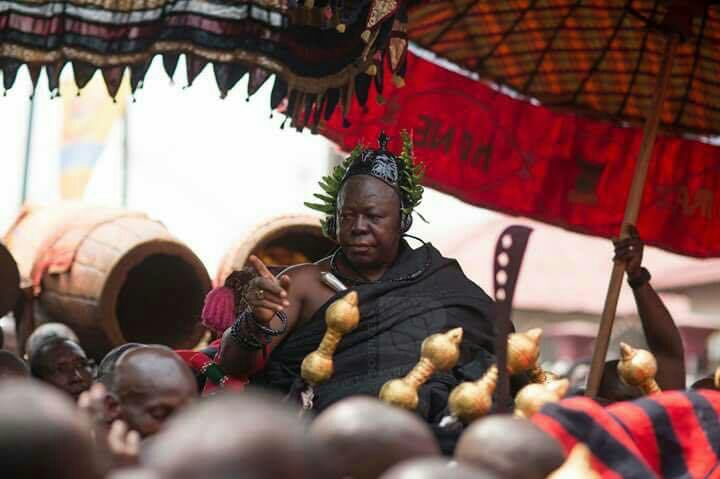
Last Friday was Ghana’s 69th Independence Day, which is more than a national celebration — it is a global symbol of liberation, pride, and possibility. On 6th March 1957, Ghana became the first sub‑Saharan African nation to break free from colonial rule, igniting a wave of independence movements across the continent. This moment reshaped world history and continues to inspire Afroglobal communities everywhere.
A Victory Rooted in Courage, Culture, and Unity
Ghana’s journey to independence was powered by collective determination. Teachers, farmers, traders, students, and visionaries stood together with a shared belief: that freedom was not only possible, but necessary. Their courage challenged an empire and proved that African nations could define their own destiny.
But Ghana’s independence story is also deeply connected to the legacy of the Ashanti Kingdom — one of Africa’s most sophisticated pre‑colonial states. The resilience of the Ashanti people, their governance systems, and their long resistance to colonial domination laid the cultural and political foundation for Ghana’s modern identity.
The Asantehene: A Living Symbol of Heritage and Continuity
The Asantehene, King of the Ashanti Kingdom, remains one of the most influential traditional leaders in Africa. His role extends beyond ceremonial duties — he is a custodian of culture, a guardian of history, and a unifying figure for millions of Ghanaians and Afroglobal descendants.
The Ashanti Kingdom’s legacy of diplomacy, statecraft, and cultural preservation continues to shape Ghana’s national pride. The Golden Stool, the symbol of Ashanti unity and spirit, stands as a reminder that Ghana’s strength is rooted in its heritage.
As Ghana celebrates independence, the presence and influence of the Asantehene serve as a bridge between past and future — honouring ancestral resilience while guiding new generations toward progress.
A Legacy That Transformed a Continent
Ghana’s independence sparked a domino effect. Within a decade, more than 30 African nations followed. For the Afroglobal community — from the Caribbean to Europe, the Americas to the Pacific — Ghana became a symbol of hope. A reminder that liberation is achievable, and that identity, culture, and sovereignty are worth fighting for.
A Cultural and Spiritual Homecoming
Today, Ghana continues to welcome the diaspora with open arms. Initiatives like the “Year of Return” and “Beyond the Return” have strengthened global connections, inviting Afroglobal people to reconnect with heritage, invest in the future, and heal generational wounds.
The Ashanti Kingdom’s traditions, festivals, and artistry play a central role in this reconnection, offering Afroglobal visitors a profound sense of belonging.
A Future Built on Pride, Innovation, and Possibility
Ghana’s independence is not just a historical milestone — it is a living legacy. It inspires new generations of Afroglobal leaders, creators, entrepreneurs, and thinkers to dream boldly and act with purpose.
It reminds us that freedom is not a moment, but a movement.
A movement shaped by the courage of a nation, the wisdom of its traditional leaders, and the unbreakable spirit of its people.
By Vivian Prempeh




 Your Magazine
Leave a comment