
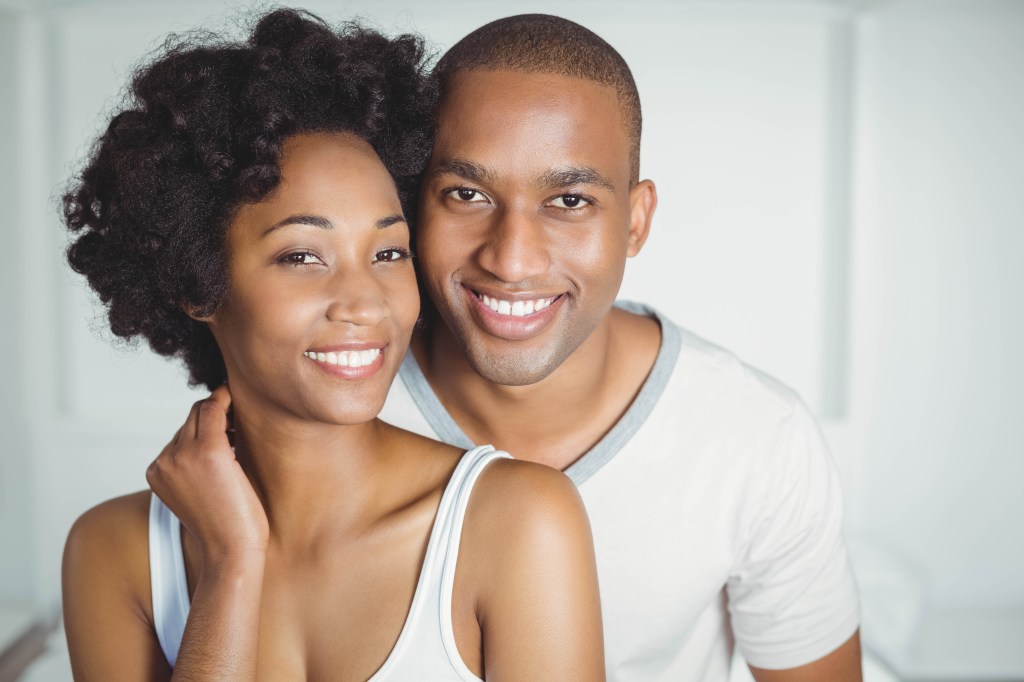
Couples who look alike have fascinated scientists for decades, and the research behind this phenomenon reveals something deeper than coincidence. When viewed through an Afroglobal lens, the science becomes even more meaningful — touching identity, heritage, and the ways our communities form connection.
Studies in social psychology and evolutionary science suggest three major reasons couples often resemble each other:
- Assortative mating — people naturally gravitate toward partners who share familiar facial features, cultural markers, or expressions.
- Shared environments and lifestyles — couples begin to mirror each other’s habits, emotions, and even micro‑expressions over time.
- Comfort in familiarity — humans often associate familiar features with safety, trust, and belonging.
This isn’t about biology alone — it’s about recognition, resonance, and shared identity.
What This Means for the Afroglobal Community
For Afroglobal couples, resemblance often reflects something deeper than facial similarity:
- Cultural mirroring — shared heritage, values, and lived experiences shape how partners see and choose each other.
- Diaspora identity — in communities shaped by migration, displacement, and resilience, choosing someone who “feels familiar” can be an act of grounding.
- Emotional synchrony — Afroglobal couples often share rhythms of communication, humour, spirituality, and community connection that shape how they grow to resemble one another.
In many African and diaspora cultures, partnership is not just romantic — it is communal, spiritual, and ancestral. When couples look alike, it can symbolise alignment of purpose, shared history, and a deep sense of belonging.
A Reflection of Connection
Science explains the resemblance; culture explains the meaning.
For the Afroglobal community, couples who look alike embody something powerful: the beauty of shared identity, the strength of collective memory, and the joy of finding someone who reflects not just your face — but your story.
By Tracey Rosmond

 Your Magazine
Leave a comment