
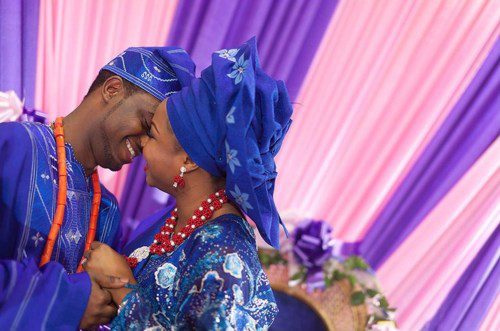
Traditional African marriages carry a depth of meaning, symbolism, and community spirit. They are not just ceremonies — they are cultural stories, spiritual covenants, and celebrations of lineage. Nowhere is this more beautifully expressed than within African marriage traditions, where love is woven together with ancestry, family honour, and communal joy.
In many African cultures, marriage is not simply the union of two individuals — it is the joining of families, histories, and futures. Elders, extended relatives, and even neighbours play meaningful roles. This contrasts with Western weddings, which often centre the couple alone.
African marriages remind us that love is strengthened by community, and that partnership is a shared blessing.
Traditional weddings are vibrant cultural showcases and usually incorporates the following;
- The Introduction (Knocking) — the groom’s family formally visits the bride’s family to declare intentions.
- Bride Price & Gifts — symbolic items such as kola nuts, fabrics, and money honour the bride’s family and ancestors.
- Aso Ebi — coordinated outfits worn by family and friends to show unity and support.
- The Engagement (Traditional Wedding) — elders negotiate, pray, and bless the couple.
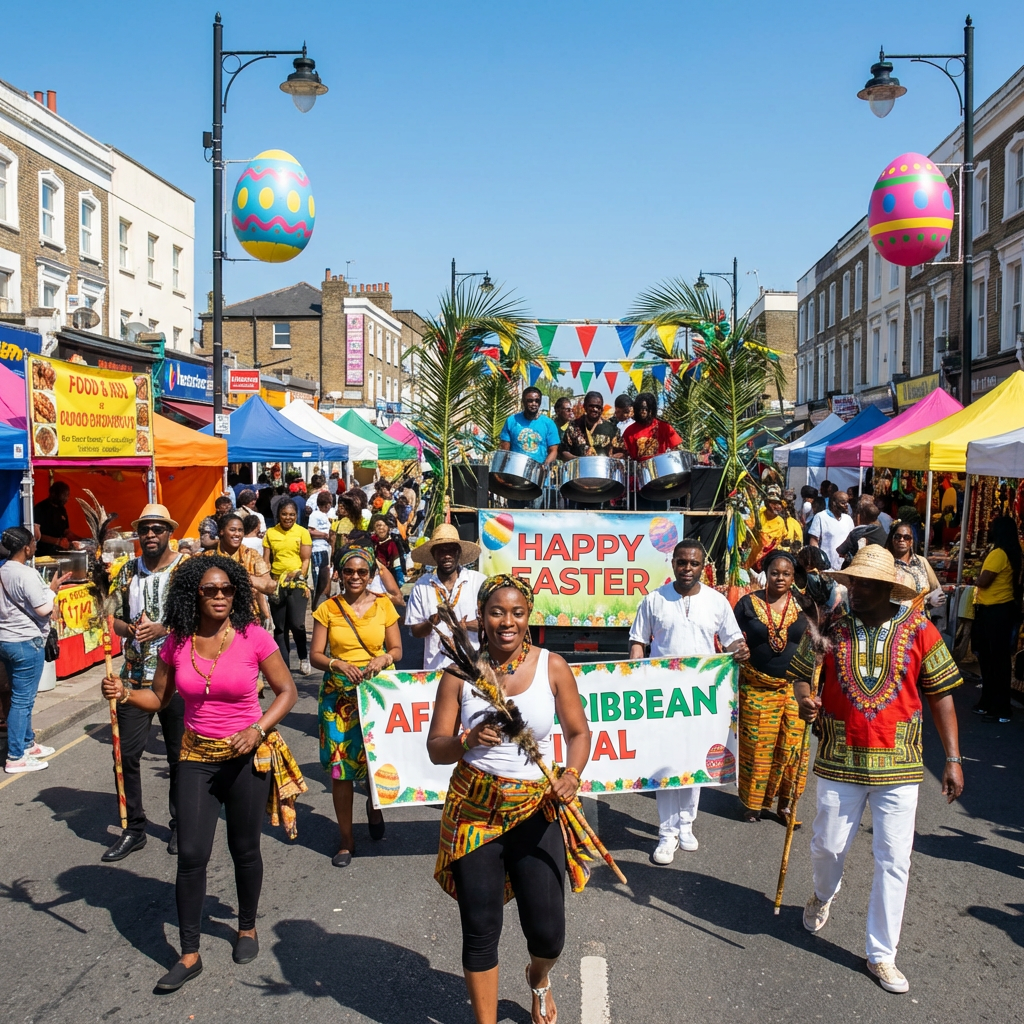
- Dancing & Drumming — joy is expressed through movement, music, and celebration.
- Libation — honouring ancestors and inviting spiritual protection.
These customs emphasise respect, gratitude, and the merging of families — values often less pronounced in Western ceremonies.
How African Traditions Differ From Western Weddings
Western weddings often prioritise individual expression, legal formality, and a single-day event.
African marriages prioritise:
- Family involvement
- Cultural symbolism
- Multiple ceremonies
- Spiritual and ancestral connection
- Community celebration over formality
Where Western weddings may focus on aesthetics, African weddings focus on meaning.
A Legacy of Love and Identity
Traditional African marriages, remind us that love is not just a personal journey but a cultural inheritance. They celebrate identity, honour ancestry, and affirm that marriage is a union blessed by community, spirit, and tradition.
By Vivian Prempeh


 Your Magazine
Leave a comment