
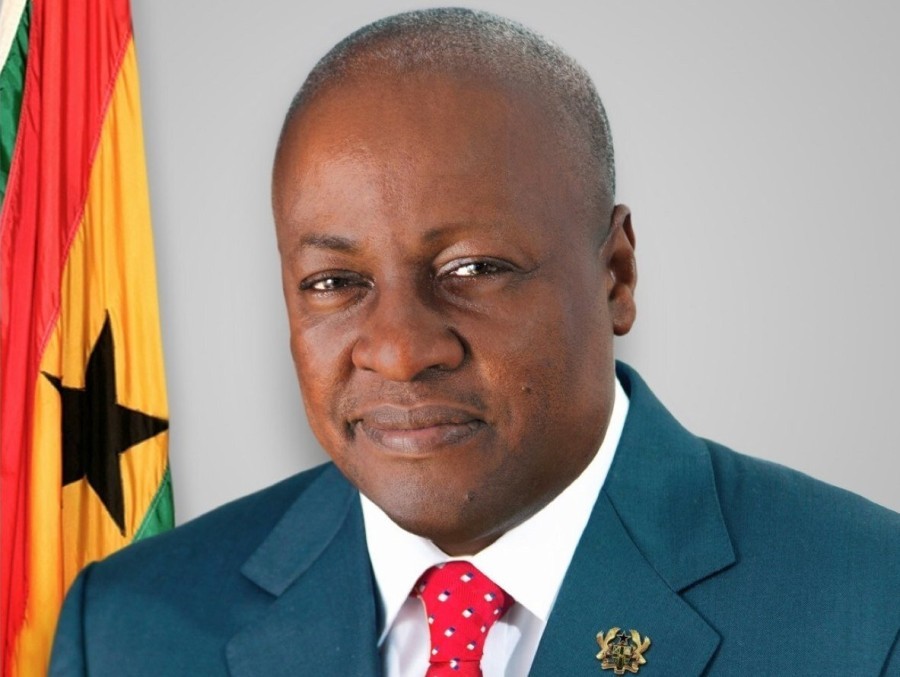
As of early 2026, the President of Ghana, (John Dramani Mahama), is leading the African Union (AU) campaign for reparations regarding the transatlantic slave trade and colonialism.
Across the African continent, governments, scholars, and civil society groups have increasingly called for global recognition of the historical harms caused by slavery, colonialism, and economic exploitation. This movement argues that reparations are not only financial — they include truth‑telling, institutional reform, and restoring dignity to communities affected by centuries of injustice.
What Reparations Could Mean for the Afroglobal Community
The broader reparations movement carries deep significance such as;
1. Restored Historical Truth
Reparations efforts push the world to acknowledge the full impact of slavery and colonialism — not as distant history, but as forces that shaped modern inequalities.
2. Economic Empowerment
Reparations discussions often include proposals for:
- Development funds
- Debt restructuring
- Investment in education, healthcare, and technology These could strengthen African economies and create opportunities across the diaspora.
3. Cultural Reconnection
Reparations are also about healing — reconnecting Afroglobal communities with heritage, identity, and shared history.
4. Global Solidarity
The movement encourages unity between Africans on the continent and those in the diaspora, (Afroglobal), strengthening collective advocacy and cultural pride.
A Pathway to Healing and Future Growth
This March 25th, Ghana is set to formally table this resolution at the UN, which is the International Day of Remembrance of the Victims of Slavery and the Transatlantic Slave Trade , which is essentially everyone within the Afroglobal community and the African Union has extended its focus on reparations for a decade, from 2026 to 2036, with Ghana expected to continue playing a leading role.
President Mahama has emphasized that Africa must speak with one voice to demand accountability for historical injustices, highlighting that this is beyond money.
The reparations movement is ultimately about restoring dignity, addressing structural harm, and building a future where Afroglobal communities can thrive with the resources, recognition, and the respect that we deserve.
By Samantha Rockson



 Your Magazine
Leave a comment