
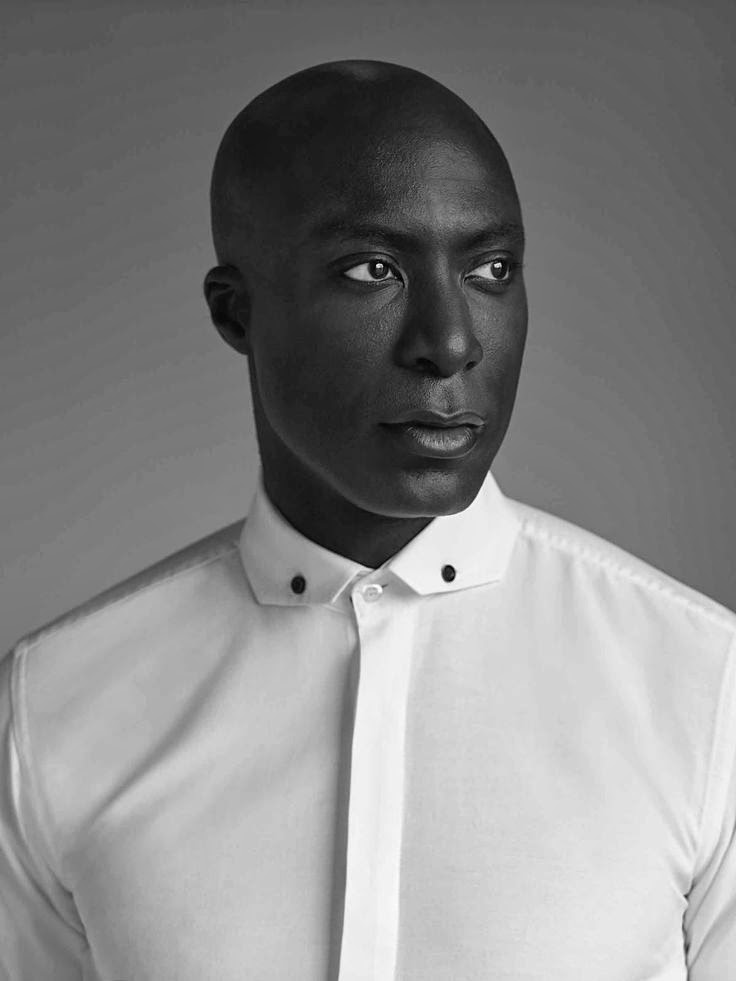
There are designers who follow trends, and then there are designers who create them. Oswald Boateng belongs firmly in the second category. A pioneer, a disruptor, and a cultural icon, Boateng has spent over three decades redefining what elegance looks like — not just for the fashion world, but for the entire Afroglobal community.
Born in London to Ghanaian parents, Oswald Boateng rose from humble beginnings to become one of the most influential menswear designers of his generation. His journey is a testament to what happens when creativity meets courage, and when heritage becomes a source of power rather than limitation.
A Trailblazer in a World That Wasn’t Built for Him
When Boateng entered the world of high fashion in the late 1980s, Savile Row — the global home of bespoke tailoring — was a space dominated by tradition, exclusivity, and a very narrow idea of who belonged. Yet Boateng walked in with bold colours, sharp silhouettes, and an unapologetic sense of identity.
He didn’t just join Savile Row.
He transformed it.
In 1994, he became the youngest tailor to open a store on the iconic street. In 2003, he became the first Black creative director at a major French fashion house when he took the helm of menswear at Givenchy. These milestones weren’t just personal achievements — they were cultural breakthroughs.
Boateng’s success showed Afroglobal creatives everywhere that excellence has no boundaries, and that our stories deserve to be stitched into the fabric of global culture.
Colour as Identity, Confidence, and Cultural Pride
Oswald Boateng is known for his mastery of colour — deep purples, electric blues, rich burgundies, and vibrant greens. His suits don’t whisper; they speak. They carry presence. They carry pride.
This is no coincidence.
Colour is deeply rooted in African heritage.
From Kente cloth to Ankara prints, colour has always been a language in Afroglobal communities — a way to express status, emotion, spirituality, and identity. Boateng took that ancestral language and translated it into modern tailoring, creating garments that feel both timeless and revolutionary.
His designs remind us that colour is not loud — it is powerful.
It is not excessive — it is expressive.
It is not risky — it is rooted in who we are.
The Psychology of Style: Why Boateng’s Designs Empower
Scientific research supports what Boateng has intuitively understood for years: clothing affects the mind.
Studies on enclothed cognition show that what we wear influences:
- confidence
- emotional state
- performance
- self‑perception
Boateng’s suits are engineered for empowerment. The structure lifts the shoulders. The colours elevate the mood. The fit enhances posture. The overall effect is a psychological shift — a transformation from the inside out.
When a man wears an Oswald Boateng suit, he is not just dressed.
He is armoured.
He is seen.
He is affirmed.
A Designer Who Tells Stories Through Fabric
Boateng’s work is more than fashion — it is storytelling. His designs celebrate:
- African heritage
- Black masculinity
- global identity
- the beauty of dual culture
He once said that tailoring is about “engineering emotion.” Every stitch, every cut, every colour choice is intentional. His garments are crafted to make the wearer feel powerful, dignified, and whole.
In a world that often misrepresents or misunderstands Black men, Boateng’s work offers a counter‑narrative — one of elegance, intelligence, and excellence.
A Legacy That Inspires the Afroglobal Future
Oswald Boateng’s influence extends far beyond the runway. He has inspired a generation of Afroglobal designers, stylists, and creatives who now see themselves reflected in spaces that once excluded them.
His story teaches us that:
- heritage is a strength
- creativity is a form of leadership
- representation transforms industries
- confidence is something you can wear
- Boateng didn’t just open doors — he built new ones.
Wearing Your Identity With Pride
Oswald Boateng’s journey is a reminder that fashion is not superficial — it is spiritual. It is cultural. It is psychological. It is a way of declaring who you are before you even speak.
His work invites men to embrace colour, embrace confidence, and embrace the fullness of our identity.
Because when you wear something that reflects your heritage, your story, and your power, you don’t just walk —
you rise.
By Emma Harding



 Your Magazine
Leave a comment