
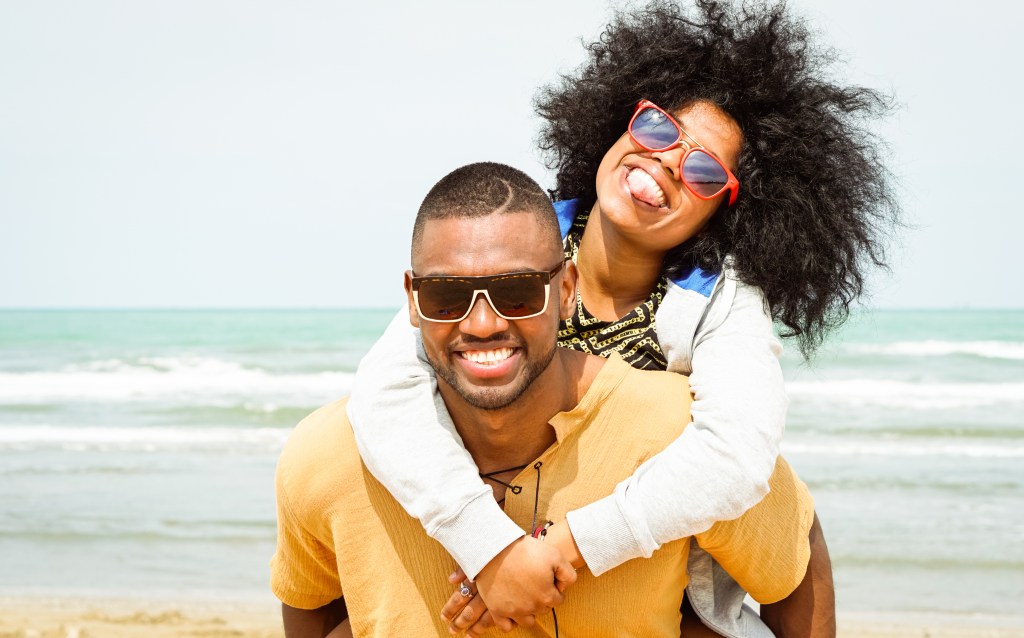
In a world that moves faster than our hearts can sometimes keep up with, taking time away as a couple is no longer a luxury — it’s a lifeline. Couple holidays are more than sun‑kissed photos, matching outfits, and airport excitement. They are intentional pauses. Sacred spaces. Opportunities to reconnect, rediscover, and rebuild the foundation of love.
Couples are embracing travel not just as an escape, but as a pathway to deeper intimacy and emotional healing. And science is finally confirming what our elders always knew: shared experiences strengthen relationships.
The Science Behind Couple Travel: Why It Works
Research from the U.S. Travel Association and studies published in the Journal of Travel Research show that couples who travel together experience:
- Higher relationship satisfaction
- Better communication
- Increased intimacy
- Lower stress levels
- Stronger emotional bonds
Psychologists explain that shared adventures activate the brain’s reward system. When couples explore new places together, dopamine — the “feel‑good” chemical — increases, creating positive associations with each other.
In simple terms:
Travel makes love feel new again.
Why Couple Holidays Matter in the Afroglobal Community
Afroglobal couples often carry unique pressures — cultural expectations, family responsibilities, financial obligations, and the weight of being pillars in their communities. Many of us were raised to prioritise duty over rest, survival over softness, and work over wellness.
But love needs space.
Love needs breath.
Love needs moments where the world slows down long enough for two people to truly see each other.
Couple holidays offer that space.
They allow couples to:
- reconnect without distractions
- celebrate their heritage in new environments
- create memories that outlive stress
- break generational cycles of emotional silence
- rediscover joy, playfulness, and romance
Whether it’s a weekend in Marrakech, a beach escape in Barbados, or a quiet countryside retreat in the UK, the destination matters less than the intention.
Travel as a Tool for Healing and Growth
Many Afroglobal couples are first‑generation dreamers — building careers, raising families, and navigating systems not designed for them. This can create emotional fatigue that silently affects relationships.
A holiday becomes a reset button.
It allows couples to:
- talk openly
- laugh freely
- rest deeply
- dream boldly
Studies show that being in a new environment increases cognitive flexibility — meaning couples are more open to new perspectives, forgiveness, and emotional vulnerability.
Sometimes, all a relationship needs is a change of scenery to remember its purpose.
Reigniting Intimacy Through Shared Adventure
Intimacy isn’t just physical — it’s emotional, spiritual, and intellectual. When couples travel, they step into unfamiliar spaces together, which naturally strengthens trust and closeness.
Trying new foods.
Exploring new cultures.
Getting lost and finding your way back.
Watching sunsets in silence.
Dancing under foreign skies.
These moments become the glue that holds love together.
Honouring Our Ancestors Through Joy
For Afroglobal people, joy is resistance.
Rest is rebellion.
Love is liberation.
Our ancestors fought for survival so we could experience softness. Taking a couple holiday is not indulgence — it is honouring their legacy by choosing peace, connection, and happiness.
When Afroglobal couples travel, they carry their culture with them — their music, their laughter, their rhythm, their resilience. They show the world what Black love looks like in motion: vibrant, powerful, and beautifully alive.
Love Deserves a Passport
A couple holiday is not about escaping life — it’s about returning to it renewed. It’s about remembering why you chose each other. It’s about building a love that can withstand storms because it has danced in sunshine.
So book the trip.
Pack the bags.
Hold hands at the airport.
Let the world witness your love story unfold in new places.
Because love, like travel, is a journey — and the most beautiful journeys are the ones taken together.
By Tracey Rosmond



 Your Magazine
Leave a comment