
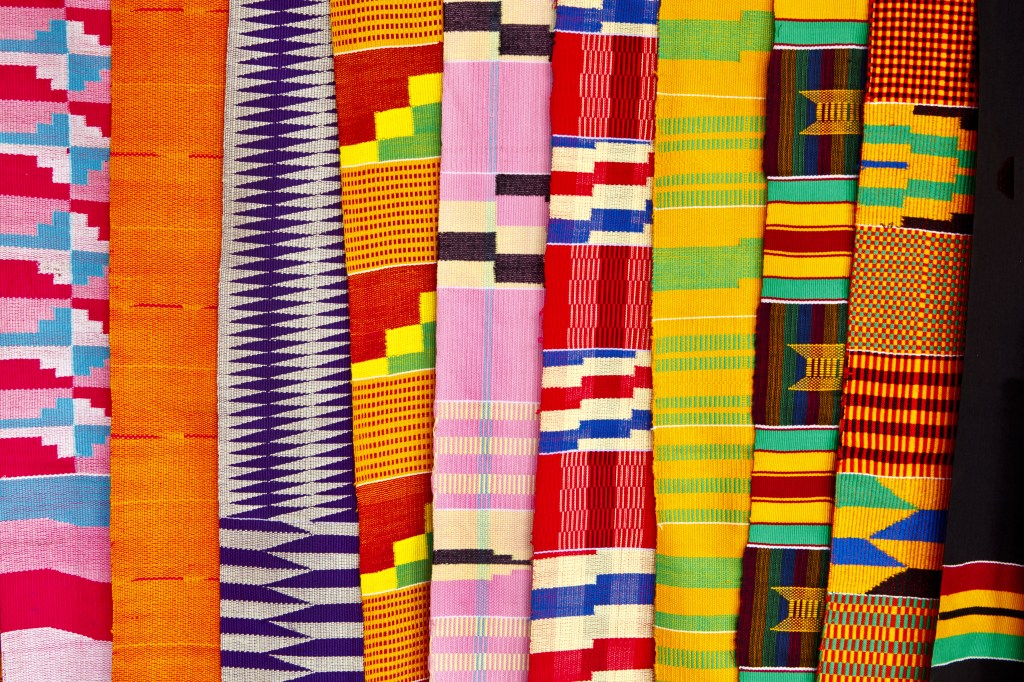
Kente is more than fabric. It is memory woven into colour, identity stitched into pattern, and history carried across generations. For the Afroglobal community, kente stands as one of the most powerful symbols of heritage — a reminder that even in a world that shifts and scatters us, our roots remain vibrant, unbroken, and deeply alive.
Its story is one of creativity, resilience, and spiritual meaning. And like all great African traditions, it continues to inspire far beyond the continent.
Born in Ghana, Belonging to the World
Kente originates from the Ashanti Kingdom and the Ewe people of Ghana. According to legend, two brothers from the village of Bonwire learned to weave by watching a spider spin its web. Inspired by the spider’s artistry, they created the first kente cloth — a masterpiece of colour, geometry, and symbolism.
From that moment, kente became the fabric of royalty.
It was worn by kings, queens, and spiritual leaders.
It marked sacred ceremonies, rites of passage, and moments of national pride.
But its influence didn’t stay within Ghana’s borders. As Africans migrated, travelled, and built new lives across the world, kente travelled with them — becoming a global emblem of Black excellence and cultural pride.
Every Colour Speaks, Every Pattern Tells a Story
Kente is a language.
A visual poem.
A coded message from ancestors who understood that art could carry wisdom.
Each colour holds meaning:
- Gold — royalty, wealth, spiritual purity
- Black — maturity, ancestral presence
- Blue — harmony, peace
- Green — growth, renewal
- Red — sacrifice, struggle
- White — celebration, purity
And each pattern is a proverb, a philosophy, a lesson.
Kente doesn’t just decorate the body — it educates the soul.
A Cloth of Resistance and Resilience
During the transatlantic slave trade, Africans carried fragments of their culture in memory, in song, and in spirit. Kente became one of the symbols that survived — a quiet rebellion against erasure.
In the diaspora, kente emerged as:
- a symbol of Black pride during the Civil Rights Movement
- a statement of identity in universities and political spaces
- a cultural anchor during weddings, graduations, and naming ceremonies
- a reminder that African heritage is not lost — it is living
Wearing kente became an act of reclamation.
A declaration: “We know who we are.”
From Royal Cloth to Global Icon
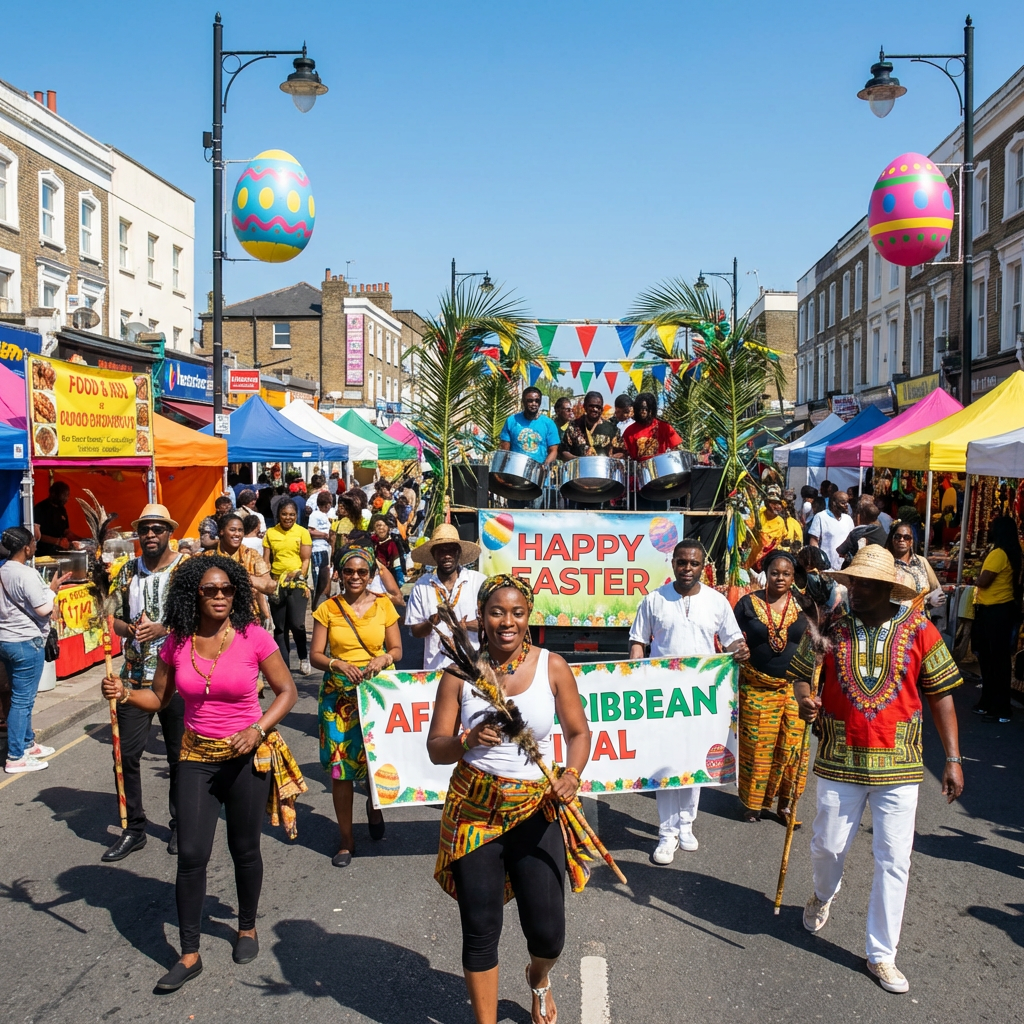
Today, kente appears on runways, in museums, in political chambers, and at global celebrations. It has become a universal symbol of African brilliance — yet it still carries the intimacy of its origins.
Whether worn by a Ghanaian chief or a Black graduate in London, kente says:
- I honour my ancestors.
- I celebrate my identity.
- I stand in my power.
It bridges continents and generations, reminding Afroglobal people that their stories are woven into something larger than themselves.
Kente in the AfroGlobal Imagination
For the Afroglobal community, kente is not just heritage — it is hope. It represents:
- the beauty of African craftsmanship
- the strength of cultural continuity
- the pride of belonging to a lineage of creators
- the unity of a people spread across the world
Kente teaches us that identity is not fragile.
It adapts, travels, and transforms — but it never disappears.
A Cloth That Inspires
The history of kente is a reminder that African culture is not only ancient — it is enduring. It is not only beautiful — it is meaningful. And it is not only local — it is global.
Kente invites us to stand tall, to honour our roots, and to carry our culture boldly into the future.
It whispers a message woven through centuries:
“You come from greatness. Wear it with pride.”
By Vivian Prempeh


 Your Magazine
Leave a comment