
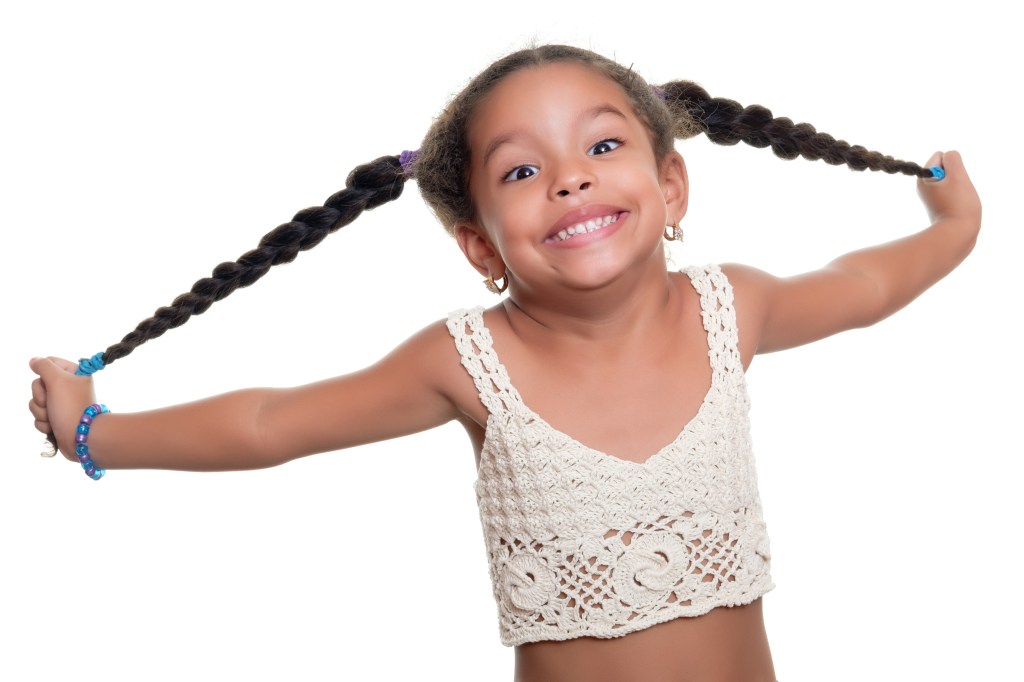
Afroglobal Families are redefining what it means to raise children with love, strength, and intention. Positive parenting is becoming a powerful movement within Black and African‑diaspora communities, blending cultural wisdom with modern understanding of child development.
It’s not about being permissive.
It’s not about abandoning discipline.
It’s about raising children through connection, guidance, and respect, rather than fear or harshness.
Positive parenting is helping afroglobal families nurture emotionally healthy, confident, and culturally grounded children who can thrive anywhere in the world.
A Shift Rooted in Culture and Growth
African and diaspora cultures have always valued community, respect, and responsibility. But historically, parenting styles were shaped by survival, limited resources, and societal pressures. Many parents did the best they could with what they had.
Today, afroglobal parents are embracing a new balance:
honouring cultural values while adopting healthier emotional tools.
This shift is not a rejection of tradition — it’s an evolution.
1. Connection Over Control
Positive parenting emphasises building a strong emotional bond. Children who feel connected are more likely to listen, cooperate, and communicate.
In the afroglobal context, this means:
- talking with children, not just at them
- encouraging expression instead of shutting it down
- creating safe spaces for emotions
- showing affection openly
Connection becomes the foundation for discipline, not the replacement for it.
2. Understanding Child Development
Modern research shows that children learn best through guidance, modelling, and consistent boundaries — not fear.
Afro‑global parents are increasingly embracing:
- age‑appropriate expectations
- calm communication
- teaching instead of punishing
- explaining the “why” behind rules
This approach builds emotional intelligence and self‑discipline.
3. Healing Generational Patterns
Many Black families across the world are intentionally breaking cycles of:
- harsh discipline
- emotional silence
- “children should be seen, not heard”
- shame‑based parenting
Positive parenting allows caregivers to say:
“I can honour my parents’ sacrifices while choosing a healthier path for my children.”
This healing is powerful — and generational
4. Raising Children With Cultural Pride
Positive parenting in the afroglobal community includes nurturing identity. Children who understand their heritage grow up more confident and resilient.
This looks like:
- teaching African and diaspora history
- celebrating cultural traditions
- affirming natural hair, skin, and features
- exposing children to afroglobal art, music, and languages
- surrounding them with positive representation
Identity becomes a source of strength, not confusion.
5. Communication as a Tool, Not a Threat
Instead of relying on fear or shouting, positive parenting uses communication to guide behaviour.
This includes:
- active listening
- validating feelings
- setting clear boundaries
- offering choices
- using consequences that teach, not harm
Children learn responsibility without losing their voice.
6. Community Support Matters
In afroglobal cultures, parenting has always been communal. Positive parenting thrives when:
- extended family supports healthy practices
- schools understand cultural context
- communities normalise emotional wellbeing
- parents share resources and experiences
When the community grows, the child grows.
Preparing Children for a Global World
Afroglobal children often navigate multiple cultures, expectations, and identities. Positive parenting equips them with:
- confidence
- adaptability
- emotional resilience
- strong self‑worth
- cultural grounding
These are the tools they need to thrive in global spaces that may not always affirm the
A New Era of Afroglobal Parenting
Positive parenting is not about perfection. It’s about intention.
It’s about raising children who feel loved, respected, and empowered.
It’s about blending the best of African cultural values with modern emotional understanding.
Most importantly, it’s about giving afroglobal children the freedom to grow into their fullest selves — confident, compassionate, and deeply connected to who they are.
By Emma Harding



 Your Magazine
Leave a comment