
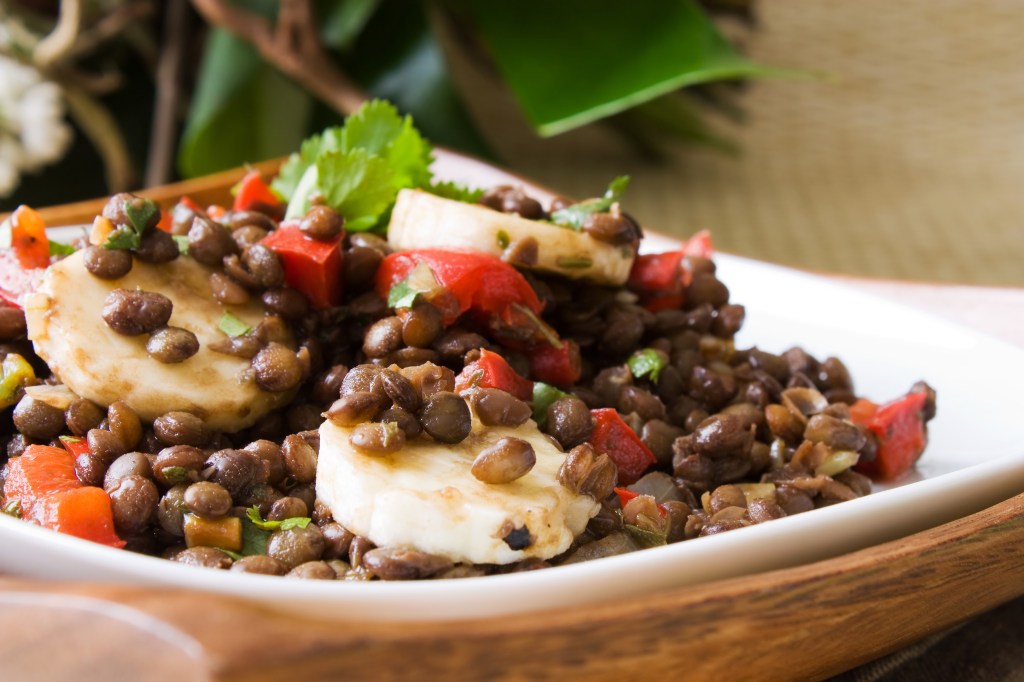
African cuisine is one of the most vibrant, diverse, and flavour rich food cultures in the world. From Ghanaian waakye to Nigerian jollof, Ethiopian injera to South African chakalaka, African food tells stories of ancestry, resilience, and community. Yet as lifestyles change and processed foods become more common, many Africans—both on the continent and in the diaspora—are facing rising rates of lifestyle related illnesses.
The good news is this: we don’t need to abandon African food to be healthy.
In fact, African food itself holds the key to better health. What we need is a transition—one that honours tradition while embracing modern nutritional wisdom.
- Returning to Indigenous Ingredients
Before imported oils, refined flour, and processed seasonings became common, African diets were naturally nutrient dense. Traditional staples like:
• millet
• sorghum
• fonio
• plantain
• yam
• kontomire (cocoyam leaves)
• okra
• beans
• groundnuts
…are packed with fibre, minerals, and antioxidants.
Transition tip:
Swap refined grains for indigenous whole grains. Replace white rice with millet or brown rice once or twice a week. Use more leafy greens like kontomire, moringa, and alefu. - Rethinking Cooking Methods
Many African dishes rely on deep frying, heavy oils, or long stews that reduce nutrient content. But the same dishes can be made healthier with small adjustments.
Try these simple shifts:
• Grill, bake, or air fry instead of deep frying
• Use less palm oil or combine it with vegetable oil
• Steam vegetables lightly instead of over boiling
• Reduce seasoning cubes and use natural spices
These changes don’t remove flavour—they enhance it. - Celebrating Natural African Spices
African cuisine is rich in natural spices that support immunity and digestion:
• ginger
• garlic
• prekese
• dawadawa
• grains of selim
• turmeric
• cloves
These ingredients add depth and aroma while reducing the need for salt and artificial additives.
Transition tip:
Use dawadawa or prekese to season soups instead of multiple seasoning cubes. - Balancing Portions Without Losing Joy
African meals are often served in generous portions—especially starchy foods like fufu, banku, kenkey, ugali, or sadza. The goal isn’t to eliminate these foods, but to balance them.
A simple plate guide:
• ½ vegetables
• ¼ protein (fish, beans, chicken, eggs)
• ¼ starch (yam, rice, fufu, plantain)
This keeps energy levels stable and supports long term health. - Adding More Plant Based Meals
African cuisine is naturally plant forward. Many traditional dishes—beans stew, kontomire stew, okra soup, groundnut soup, black eyed peas, and vegetable sauces—are already plant based.
Transition tip:
Choose one or two days a week for plant based African meals. It’s affordable, nutritious, and culturally authentic. - Reducing Processed Additions
Modern African cooking often includes:
• seasoning cubes
• processed meats
• sugary drinks
• white bread
• margarine
These weren’t part of traditional diets and contribute to health issues.
Transition tip:
Replace sugary drinks with sobolo (hibiscus tea) made with less sugar, or fresh fruit smoothies. - Honouring Traditional Eating Patterns
Historically, African communities:
• ate more whole foods
• walked long distances
• ate earlier in the day
• shared meals in community
• consumed fewer processed snacks
Re embracing these patterns supports digestion, mental health, and overall wellbeing. - Making Healthy African Food a Lifestyle, Not a Restriction
The goal is not to “Westernise” African food—it’s to reclaim its original power. African cuisine is naturally:
• high in fibre
• rich in vegetables
• full of healthy fats
• packed with spices
• diverse in nutrients
By adjusting preparation methods, reducing processed ingredients, and embracing indigenous foods, African meals become both delicious and deeply nourishing.
A Future Where African Food Heals
Transitioning African food for better health is not about losing culture—it’s about preserving it. It’s about teaching the next generation that our food is powerful, our ingredients are medicinal, and our traditions hold wisdom worth protecting.
African food can be bold, flavourful, and healthy at the same time.
The journey begins with small steps, intentional choices, and a return to the roots that sustained our ancestors for centuries.
By Mavis Danso




 Your Magazine
Leave a comment