
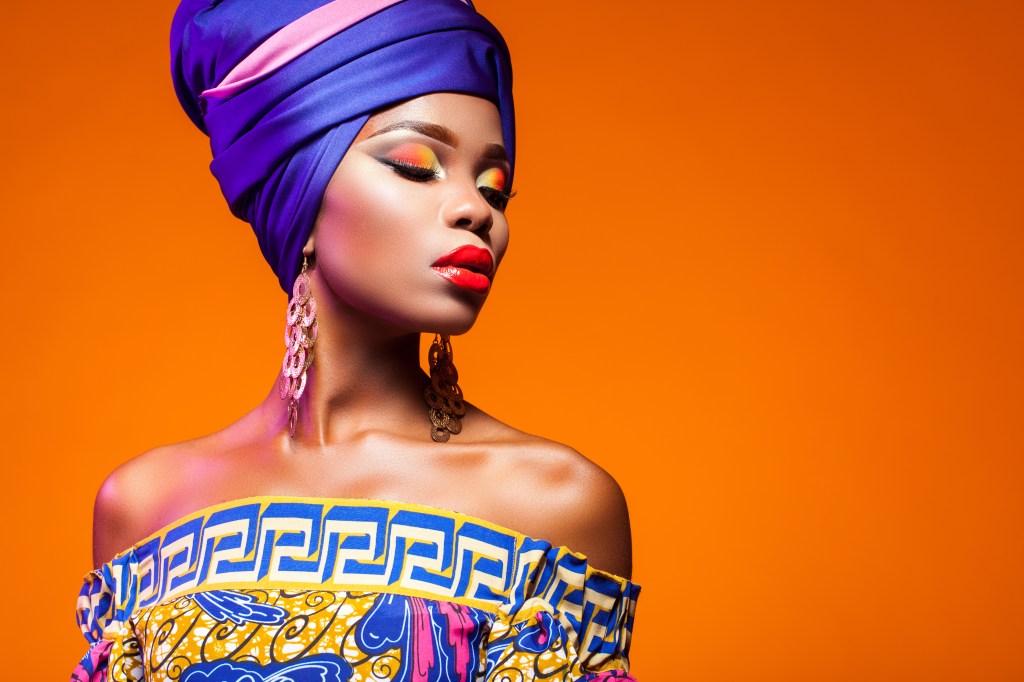
For decades, African and diaspora culture has influenced global music, fashion, language, and storytelling — often without receiving the recognition it deserved. But something powerful has shifted. Today, AfroGlobal culture isn’t just influencing mainstream media; it is actively reshaping it. From streaming platforms to fashion runways, from viral TikTok dances to blockbuster films, the world is finally acknowledging what Africans and the diaspora have always known: our creativity is magnetic, our stories are universal, and our cultural impact is unstoppable.
This isn’t a trend. It’s a transformation.
1. Afrobeats and Amapiano Are Redefining Global Sound
Music has always been one of the strongest cultural exports from Africa, but the last five years have been revolutionary. Afrobeats and Amapiano have moved from niche genres to global chart‑toppers.
Artists like Burna Boy, Tems, Rema, Tyla, and Wizkid are selling out stadiums worldwide.
African producers are shaping the sound of pop, hip‑hop, and R&B.
TikTok challenges built on African rhythms are going viral weekly.
Mainstream media is no longer “discovering” African music — it’s depending on it to stay relevant.
2. African Storytelling Is Expanding Global Cinema
The success of films like Black Panther, The Woman King, and Queen Sono opened the door, but African filmmakers are now walking through it with their own narratives.
Streaming platforms are investing heavily in African content:
Netflix’s “Made in Africa” slate
Amazon Prime’s Nollywood partnerships
Showmax’s pan‑African originals
These stories aren’t just entertainment — they’re cultural reclamation. They challenge stereotypes, celebrate identity, and showcase Africa’s diversity in ways mainstream media has long ignored.
3. African Fashion Is Setting Global Trends
From Lagos to London, Accra to Atlanta, African fashion houses are influencing global style:
Ankara prints on runways
Kente‑inspired streetwear
Beaded jewellery and braided hairstyles in editorial shoots
African designers featured in Vogue, Elle, and GQ
The diaspora has also played a major role, blending African aesthetics with Western silhouettes to create a new hybrid style that feels both modern and ancestral.
Fashion is no longer borrowing from Africa — it’s collaborating with Africa.
4. Social Media Has Amplified African Voices
Digital platforms have become powerful tools for cultural expression. African creators are using TikTok, Instagram, and YouTube to:
Showcase food, dance, and fashion
Teach languages and history
Share comedy, commentary, and lifestyle content
Build global communities
This grassroots cultural movement has forced mainstream media to pay attention. African creators aren’t waiting for permission — they’re building their own audiences and shaping global conversations in real time.
5. News and Journalism Are Becoming More Afro‑Centric
African journalists and diaspora commentators are gaining visibility on major platforms like CNN, BBC, Al Jazeera, and Sky News. They’re bringing:
Nuanced perspectives
Culturally informed analysis
Stories that highlight African innovation, not just crisis
Independent African media outlets are also rising, offering narratives that reflect the continent’s complexity and brilliance.
6. Gaming and Tech Are Embracing African Worlds
African mythology, landscapes, and characters are appearing more frequently in global gaming and animation. Studios are exploring:
Afro‑futurism
African folklore
Diaspora fantasy worlds
This shift is expanding representation and giving young Africans the chance to see themselves as heroes, creators, and innovators.
7. Cultural Pride Is Fueling a Global Movement
The rise of AfroGlobal culture is not just artistic — it’s political, emotional, and generational. It reflects:
A reclaiming of identity
A rejection of outdated stereotypes
A celebration of Black excellence
A global hunger for authentic, diverse stories
Mainstream media is evolving because audiences are demanding it — and Africans and the diaspora are leading the way.
The Future: AfroGlobal Culture Isn’t a Wave — It’s the New Standard
As we move deeper into 2026 and beyond, AfroGlobal culture will continue to shape the world’s creative industries. Not as a trend, but as a permanent pillar of global storytelling.
Africa is not on the sidelines of culture.Africa is culture.And the diaspora is amplifying it louder than ever.
By Tracey Rosmond

 Your Magazine
Leave a comment